Company snapshot
WeRide(文远知行) operates one of the largest commercial autonomous vehicle fleets in the world. Its footprint spans more than 60 cities across 13 countries, and its vehicles have been in continuous public operation for more than 2,500 days. It is also the only technology company whose products hold autonomous driving permits in eight markets — China, the UAE, Singapore, France, Switzerland, Saudi Arabia, Belgium and the United States.
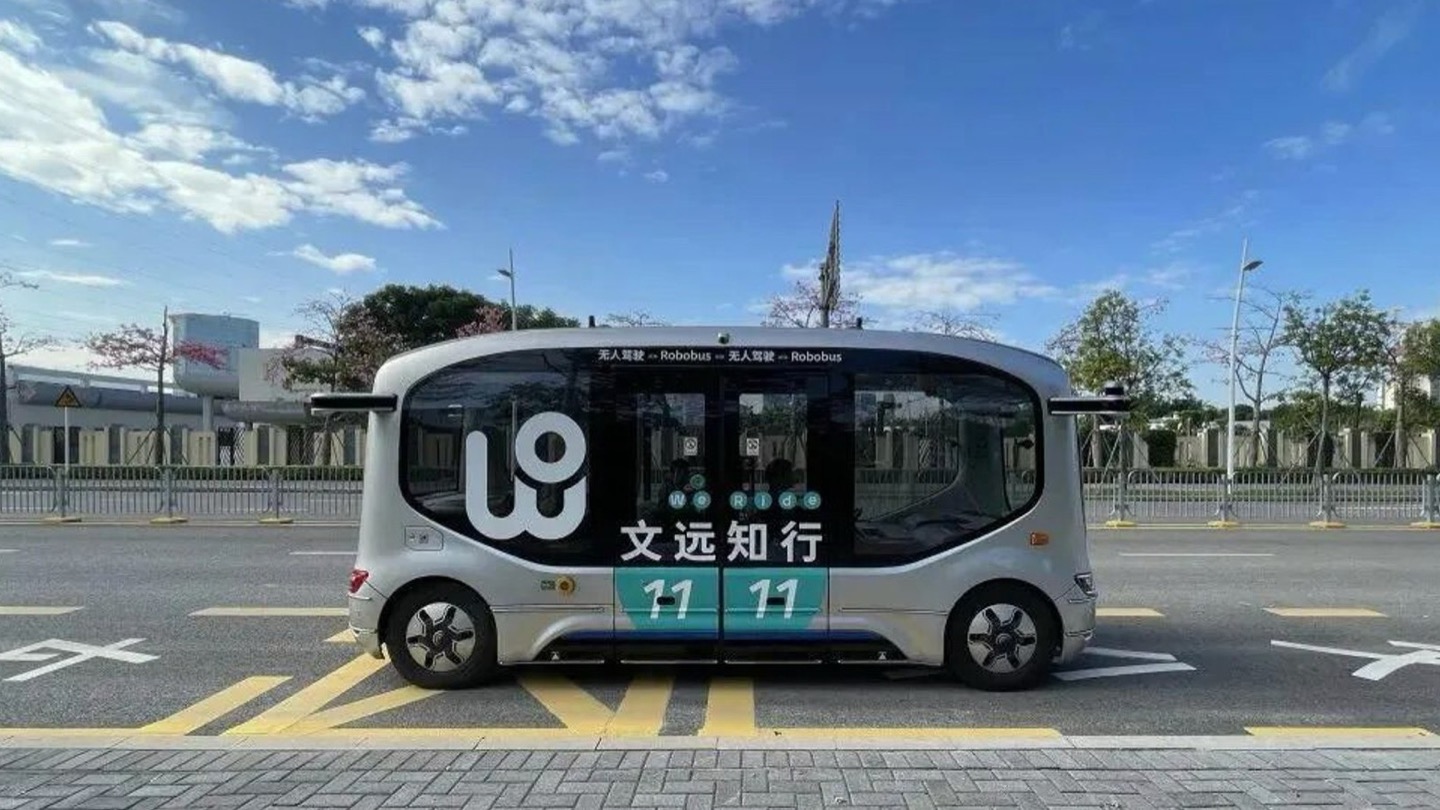
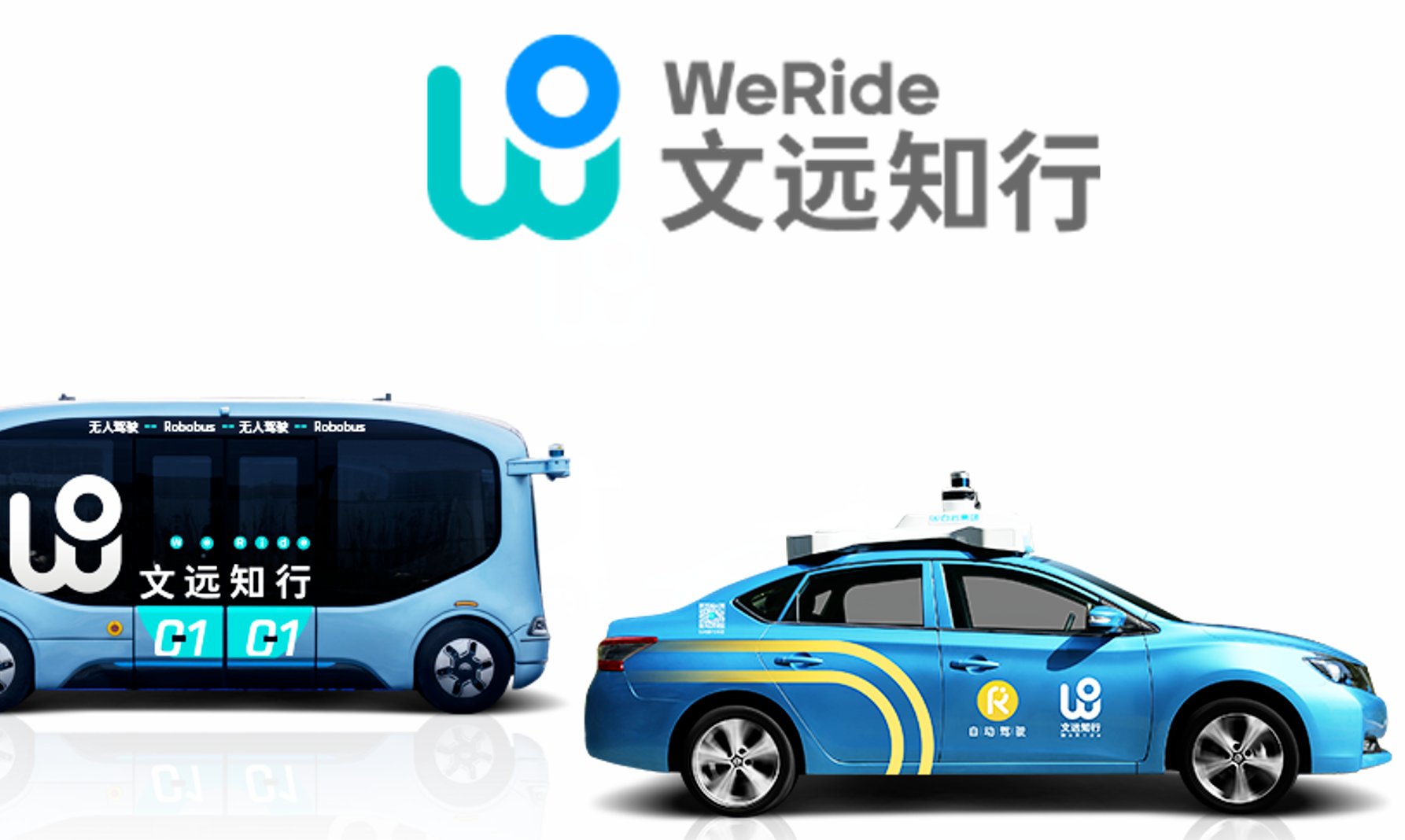
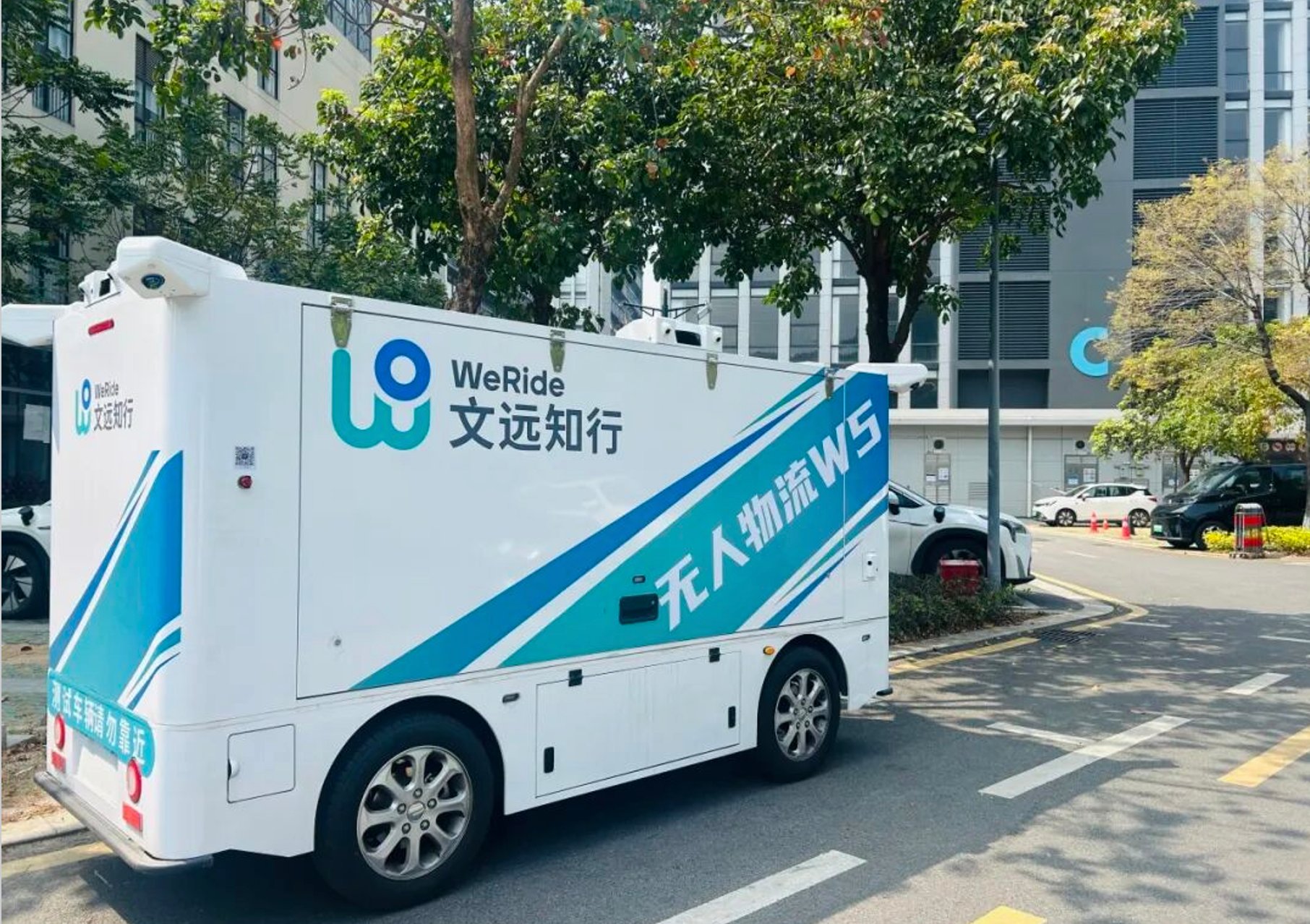
The product line-up covers five vehicle types: the GXR Robotaxi, a five-seat robotaxi built for passenger service; the Robobus, a self-driving minibus used on fixed routes; the Robovan W5, an unmanned delivery vehicle; the Robosweeper S1, a driverless street sweeper; and WRD 3.0, a driver-assistance system developed for mass-produced passenger cars.
WeRide's headquarters sits on Guangzhou International Bio Island, an island in the Pearl River that is also one of its public operating zones. That combination is the reason to come here: this is not a showroom with a demonstration video on a loop. It is the place the fleet is dispatched from, and you can ride in the vehicles on the same streets where they work.
What you see at the Guangzhou base
The visit is built around three things, in this order: the vehicles themselves, the operations picture, and a ride.
In the exhibition hall, the five product lines are laid out together, which makes the differences between them concrete — how a robotaxi is specified differently from a delivery van, and why a sweeper needs a different sensor layout from a minibus. Operations screens show the fleet in service: vehicle status across cities, and the kind of day-to-day operating data a commercial autonomous service has to manage.
In the briefing room, the team walks through the technology and the deployment questions that matter to operators — how a driverless service is supervised remotely, what happens when a vehicle meets an edge case, how routes are chosen and extended, and how the economics of a paid robotaxi service differ from a pilot. This is the part of the visit that tends to generate the most questions, and it is scheduled with time for them.
Bio Island suits this better than a closed proving ground would. The road network is wide, traffic is steady rather than gridlocked, and the river runs alongside much of it — so a ride here shows what the vehicles do in ordinary conditions rather than in a staged environment. Because several vehicle types work the same district, a single ride often passes a Robosweeper cleaning a kerb or a Robovan running a delivery while your own vehicle handles the traffic around them.
Then you ride in one yourself.
Sample visit programme
| Segment | Time | What to expect |
|---|---|---|
| Arrival and welcome at the Bio Island headquarters | 20 min | Reception, security briefing, and a short introduction to the site and its role as a public operating zone |
| Exhibition hall: the five product lines | 40 min | The GXR Robotaxi, Robobus, Robovan W5, Robosweeper S1 and WRD 3.0 presented together, with operations screens showing live fleet status |
| Briefing room: technology and operations | 40 min | A talk on the autonomous driving stack, remote supervision, edge-case handling, route selection and commercial operation, followed by open questions |
| Test ride: Robotaxi GXR and Robobus | 40 min | A driverless ride on the roads around Bio Island, with river views along the route and working Robosweeper and Robovan vehicles typically visible on the same streets |
| Wrap-up and departure | 20 min | Final questions, photos, and transfer out |
What you can learn
Three things tend to stay with visitors.
The first is the gap between a demonstration and a service. Any company can show a vehicle completing a scripted route. What is visible here is the operating layer behind it — dispatch, remote supervision, and the daily discipline of running paid rides on public roads.
The second is how a single technology platform gets adapted to very different vehicles. The same underlying stack appears in a five-seat robotaxi, a minibus, a delivery van and a street sweeper, and seeing all four in one place makes the reuse concrete rather than a claim on a slide.
The third is what commercial operation actually looks like at city scale. Guangzhou is not a closed test track. The ride takes place on open roads where the vehicles share space with normal traffic, and the route passes other WeRide vehicles doing ordinary work — sweeping, delivering — rather than performing for visitors.
One detail visitors rarely expect is how much of a commercial robotaxi service happens off the vehicle. Remote supervision, dispatch decisions and the handling of unusual situations are all visible in the operations view, and they explain why the hard part of this industry is operating at scale rather than driving a single route well.
Teams working on mobility, logistics, smart city infrastructure or fleet operations usually find the most value here. Those comparing the Chinese autonomous driving landscape often pair this visit with a Guangzhou smart EV factory tour or an XPeng visit to see how vehicle manufacturing and vehicle automation diverge. WeRide's own overseas operations are covered separately in our WeRide Robotaxi Dubai visit.
Arranging your WeRide visit
A WeRide visit is arranged as part of a full programme. China Innovation Visits handles the end-to-end arrangement — confirming the slot with the host, the transfers, interpretation, and the rest of the itinerary around it — so the half day on Bio Island sits inside a schedule that works rather than being a standalone appointment to be solved on the day.
Guangzhou works well as a two-to-three-day stop. The city pairs autonomous driving with electric vehicle manufacturing, robotics, drones and consumer technology, all within a compact area, which makes it one of the easier Chinese cities to build a dense technical itinerary in.
Questions and answers
Is the test ride actually driverless? The Robotaxi and Robobus rides on Bio Island operate without a safety driver in the vehicle. Vehicles in public service are supervised remotely. The exact vehicle types available on the day depend on fleet availability, which is confirmed when the visit is booked.
How long does the visit take? Half a day on site, as set out in the programme above. Transfers to and from Bio Island are arranged as part of the wider itinerary.
Can we take photographs? Photography in the exhibition hall and around the vehicles outdoors is normally permitted. Recording inside the briefing session is not. Your host will confirm the boundaries on arrival.
Is the briefing technical or commercial? Both, and the balance can be adjusted. Tell us in advance whether your group is engineering-led or business-led and the session is pitched accordingly. Questions during the session are expected.
Is interpretation included? Yes. Technical interpretation is arranged as part of the programme, and the briefing can be delivered with terminology your team actually uses.
How far in advance should we book, and what group size works? We ask for at least 30 days' notice and a minimum group of 10. Shorter notice is sometimes possible; ask and we will check with the host.
Can the visit be combined with other companies in Guangzhou? Yes — that is the normal way to run it. Guangzhou's autonomous driving, EV, robotics and drone sites are close enough together that two visits in one day is realistic. Your programme is built around what your group wants to compare.
Each visit is confirmed with the host before it is scheduled, so the programme above runs as described in normal circumstances but remains subject to final confirmation with the host.