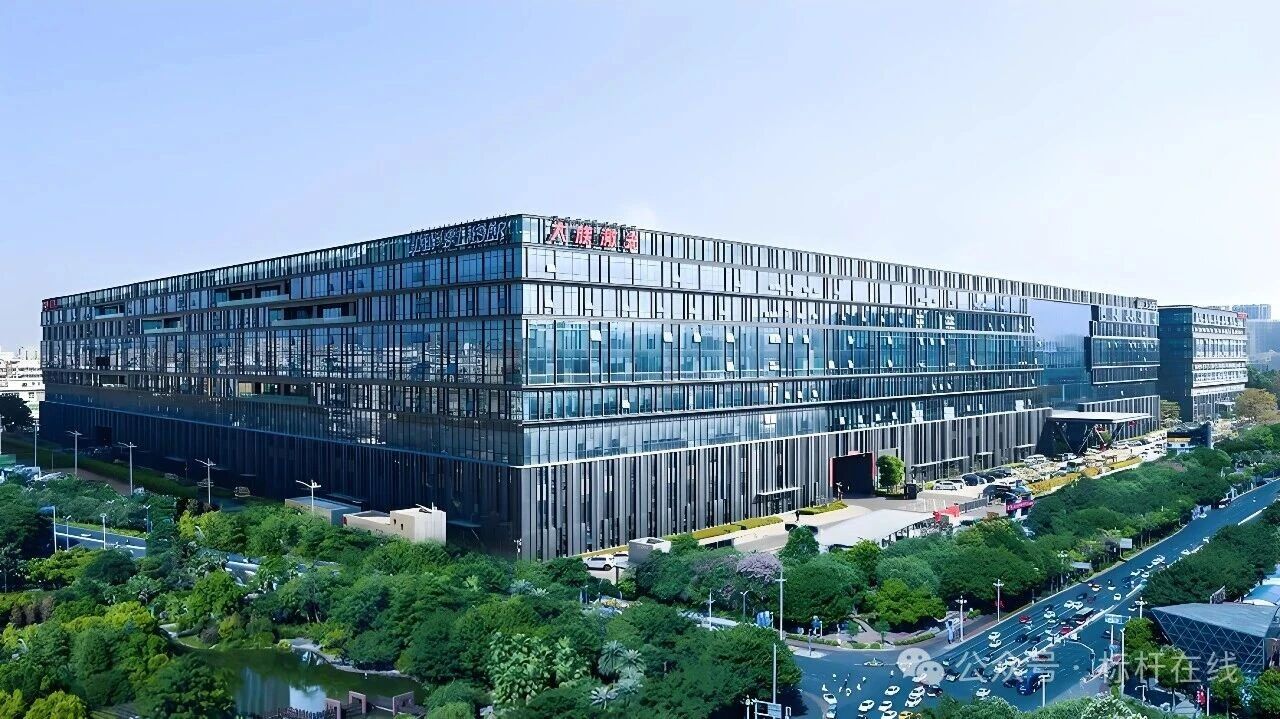
A Han's Laser(大族激光) visit in Shenzhen takes a delegation to the company that builds the machines behind a large share of the world's consumer electronics, printed circuit boards and semiconductor packaging. Han's Laser Technology Industry Group was founded in 1996, is headquartered in Shenzhen, and has been listed on the Shenzhen Stock Exchange under 002008 since 2004. In 2025 it reported revenue of about 18.76 billion yuan, up 27 per cent.
The reason to go in 2026 is the composition of that growth, not the headline. The fastest-growing part of the business was printed circuit board equipment, which rose more than 70 per cent because AI infrastructure demand pulled forward orders for high-layer boards and high-density interconnect boards. A delegation arrives expecting a laser company and finds a company whose year was decided by data centre build-out.
The second reason is what sits underneath the headline. Excluding non-recurring items, net profit rose 82.28 per cent to about 810 million yuan, operating cash flow rose 30.48 per cent to about 1.469 billion yuan, and gross margin improved 1.44 percentage points to 33.28 per cent. Understanding how the operating business and the reported figure differ is the most useful hour of the visit.
China Innovation Visits coordinates the Shenzhen programme, including the company reception, scheduling, local transport and English interpretation.
Key takeaways
- See how laser processing, robotics and automation sit inside one equipment group.
- Understand the PCB surge: equipment revenue up more than 70 per cent on AI infrastructure demand.
- Discuss how the operating business performed: profit excluding non-recurring items up 82.28 per cent and gross margin up 1.44 percentage points.
- Examine the 3D printing business, including metal printing of copper and copper alloys.
- Ask where the next capacity is going: Southeast Asia, and semiconductor substrate supply in the US and Europe.
- Compare with a FANUC factory tour in Shanghai on how factory automation suppliers are structured.
Why visit Han's Laser in Shenzhen?
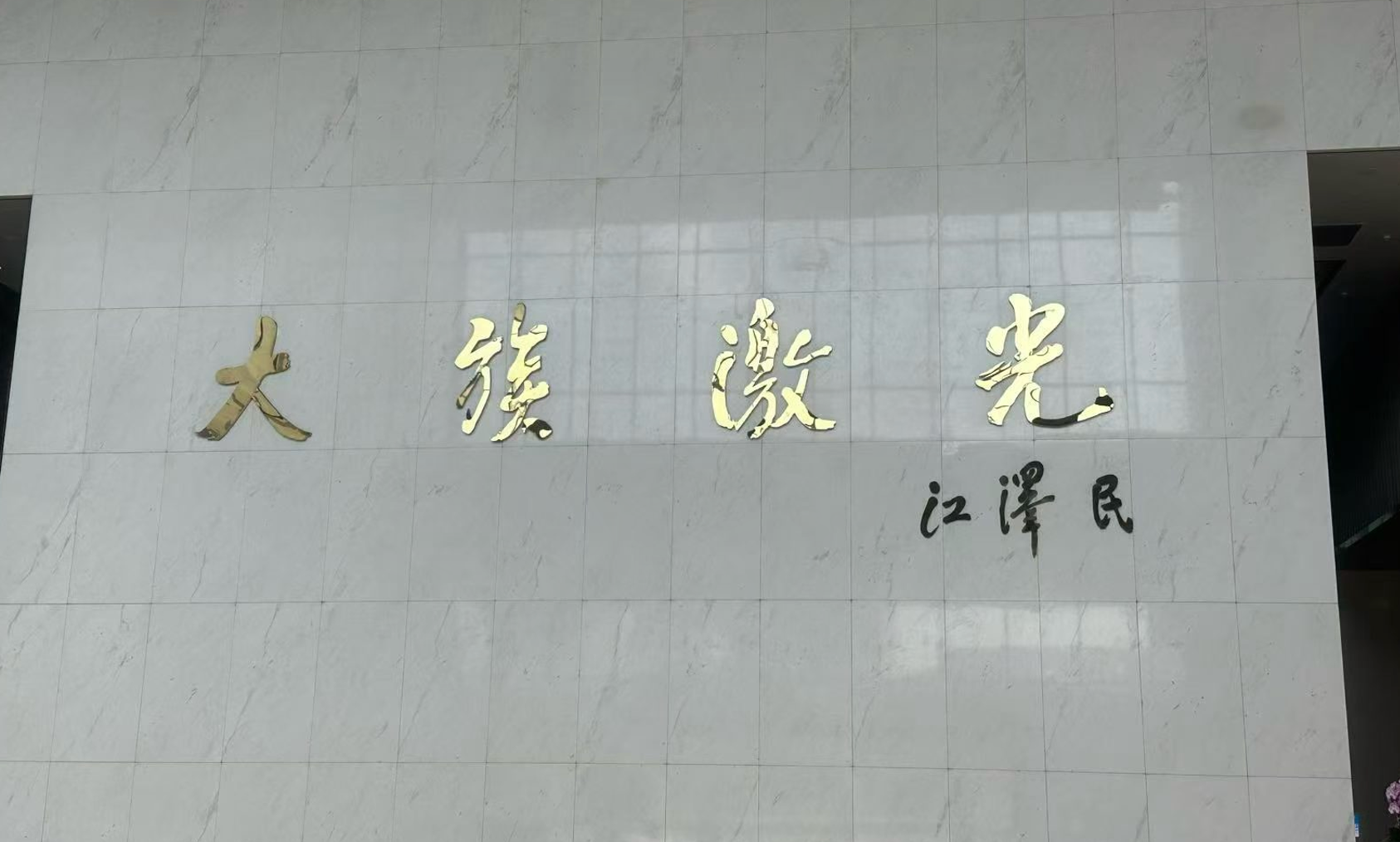
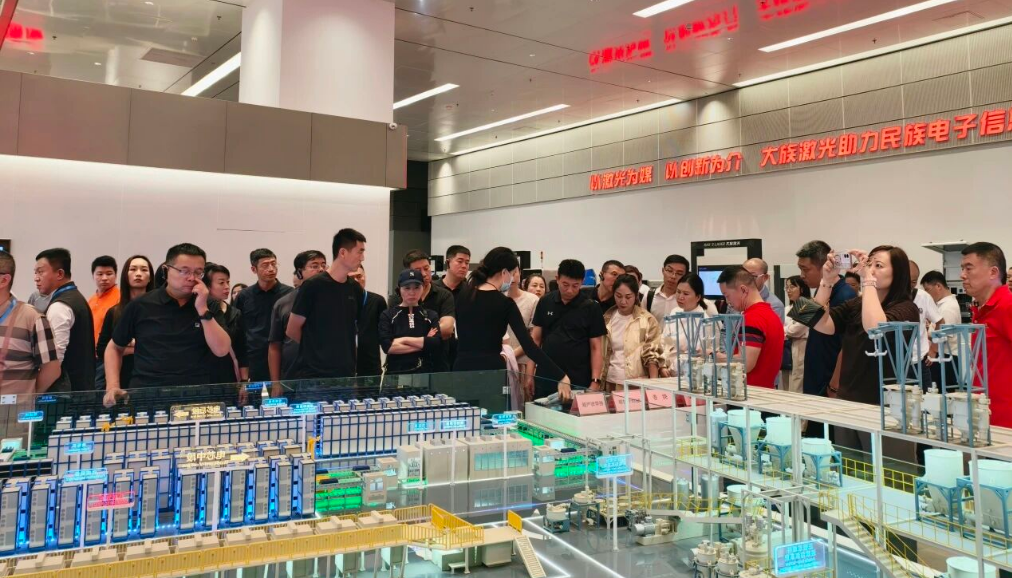
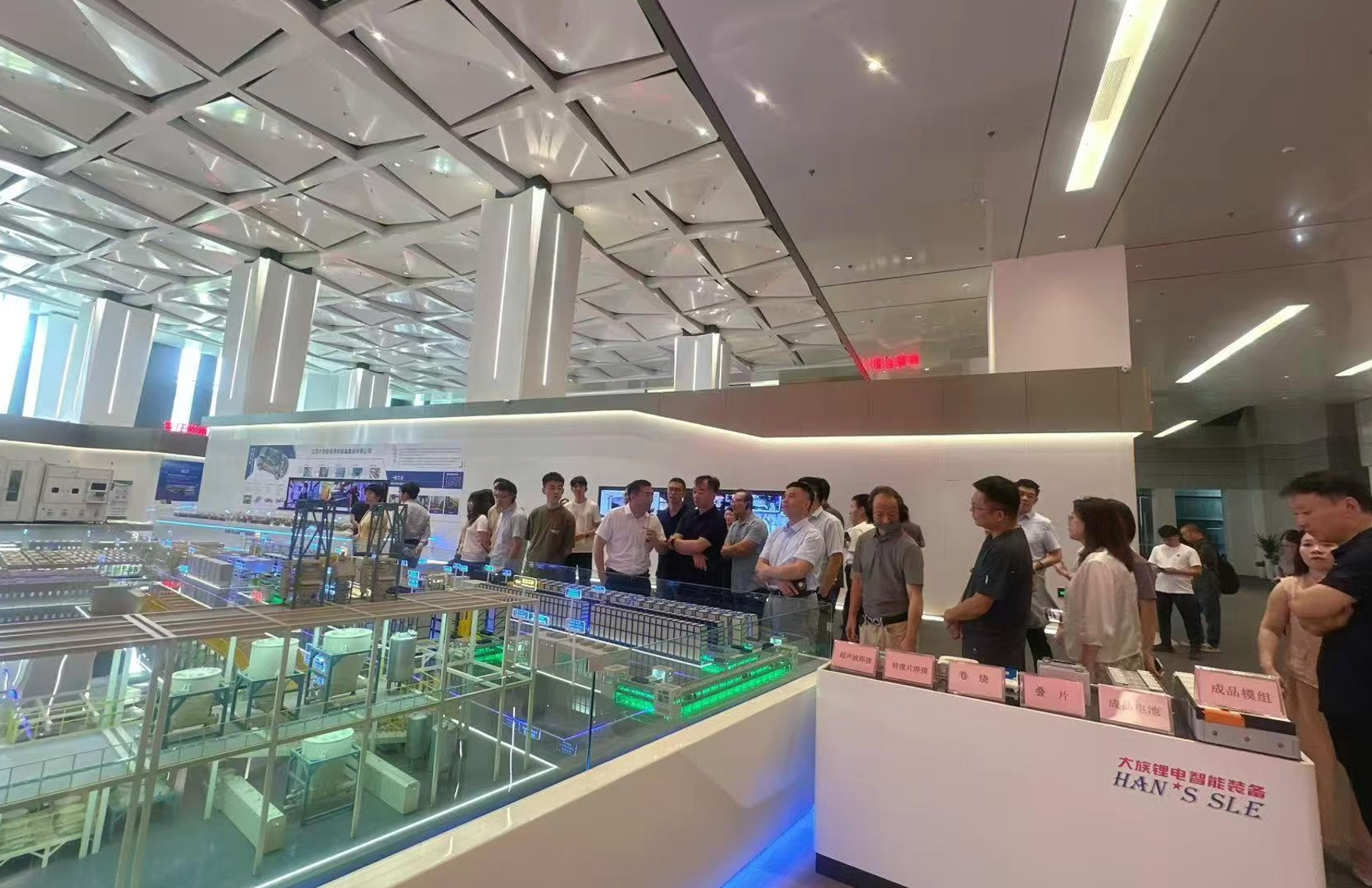
Industrial equipment is a good subject for a delegation because it tells you what manufacturers are actually buying. If consumer electronics makers are retooling, the equipment maker sees it first. Han's Laser sells into consumer electronics, PCB, semiconductor, new energy, display and more, which makes it a reasonable proxy for Chinese manufacturing capital expenditure. The exhibition hall stages live demonstrations of the equipment itself — handheld water-cooled laser welding units run alongside full-scale cutting systems — so the technology is presented, not only described.
The visit is also a lesson in vertical integration. The company's stated strategy is leading technology in basic components combined with deep application knowledge in industry equipment. That means it makes some of its own lasers and core devices rather than buying them in — the reason its margins behave differently from an assembler's.
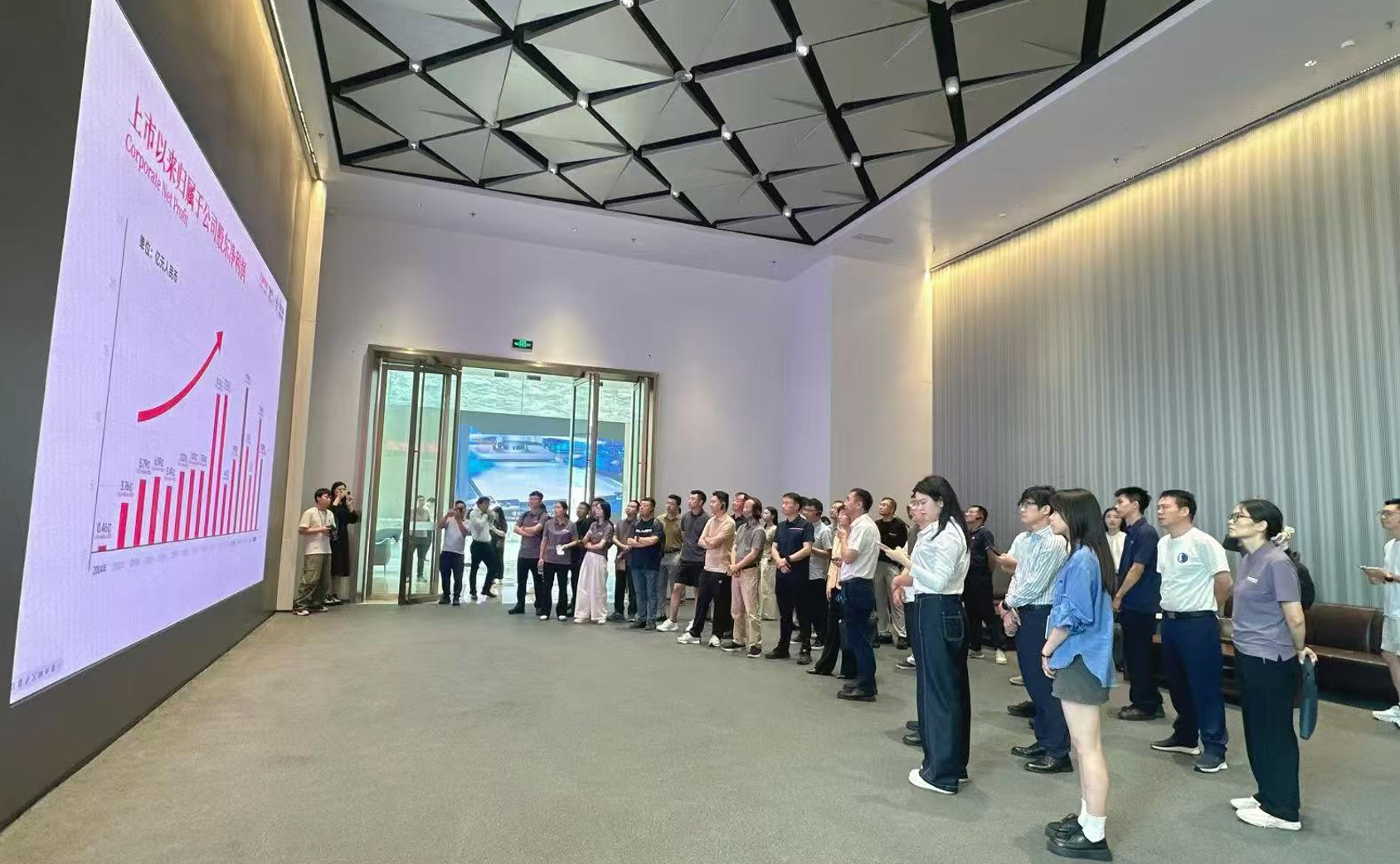
Shenzhen is the right setting. The company is based in Nanshan district, and the Pearl River Delta supply chain it serves is around it, so a half-day programme can be combined with other visits in the same city — a Huawei headquarters visit or a BYD company visit, both of which sit on the customer side of what Han's Laser builds.
Company background
Thirty years, listed for twenty
Han's Laser was founded in 1996 and listed in Shenzhen in 2004. It marked its thirtieth year in 2026, including an appearance at the seventh World Laser Manufacturing Conference in June. It describes itself as a supplier of laser, robotics and automated intelligent manufacturing solutions, with business covering more than 100 countries and regions.
At the end of 2025 the group employed 20,961 people, up 24.28 per cent on the year — a sharp increase worth asking about, since headcount growth of that size usually accompanies a capacity build or an acquisition.
What it sells
The main business is research, production and sale of intelligent manufacturing equipment and its key components. In practice that spans laser marking, cutting and welding systems, PCB drilling and inspection equipment, semiconductor and display equipment, and additive manufacturing.
The 2025 results
Revenue and profit
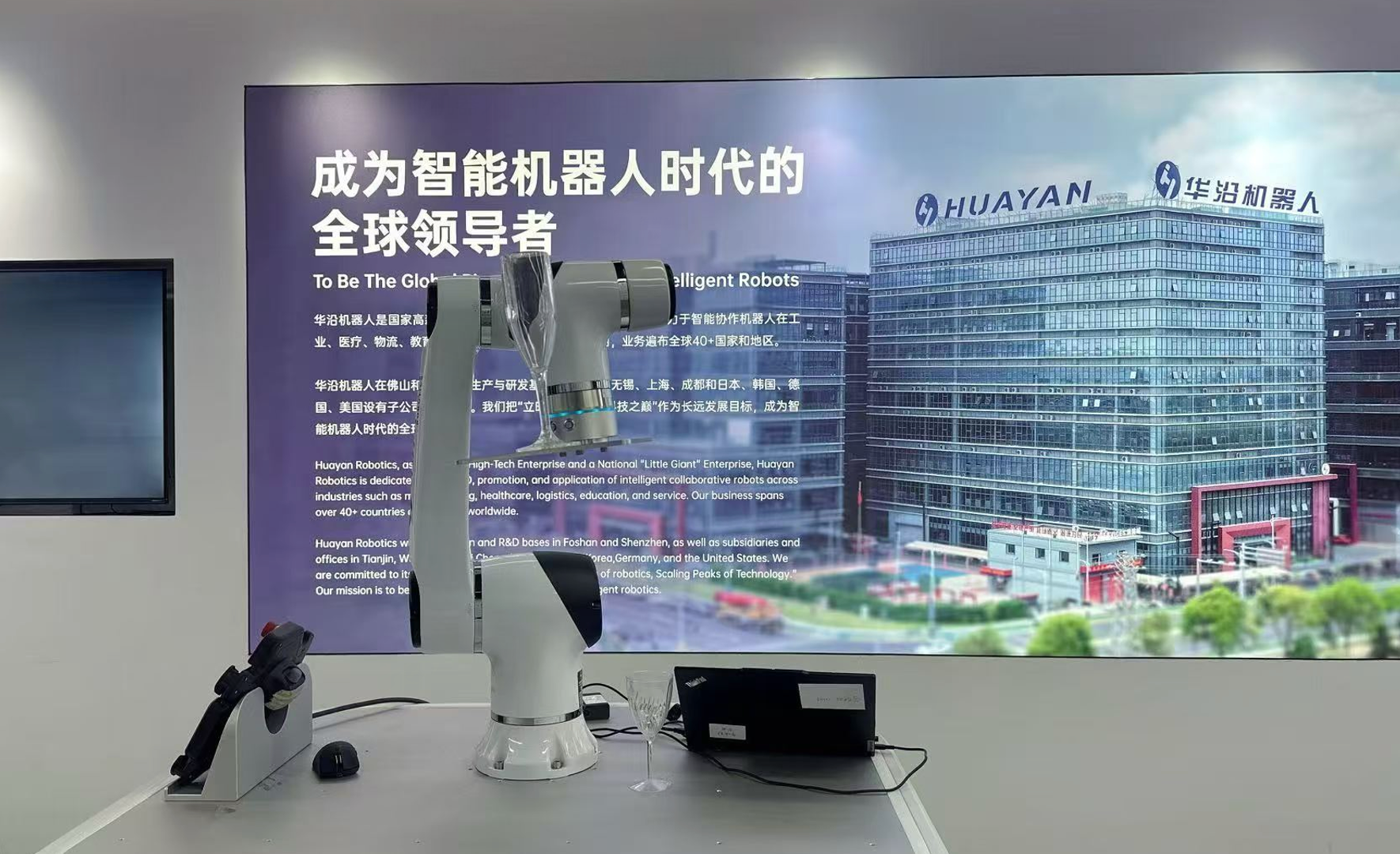
Revenue was about 18.759 billion yuan in 2025, up 27.00 per cent. Net profit attributable to shareholders was about 1.190 billion yuan, down 29.77 per cent. Net profit excluding non-recurring items was about 810 million yuan, up 82.28 per cent.
Those three numbers together are the story, and the direction is clear once they are read in order. The operating business improved substantially, up 82 per cent on the ex-item measure, while the reported figure moved differently because the prior year included a one-off disposal gain.
Cash and returns
Operating cash flow was about 1.469 billion yuan, up 30.48 per cent. Gross margin was 33.28 per cent, up 1.44 percentage points. Basic earnings per share were 1.15 yuan, weighted average return on equity 7.19 per cent, and the company proposed a dividend of 2 yuan per 10 shares.
The longer view
Revenue was about 14.091 billion yuan in 2023 and 14.771 billion in 2024. Three-year revenue compound growth to the end of 2025 was 7.83 per cent, and 2025 was the strongest year in that run, with revenue up 27 per cent and ex-item profit up more than 80 per cent. A business that moves with the capital expenditure cycle is worth reading cycle by cycle rather than on a three-year average.
How to read the two profit figures
The base effect
The company has said that the movement in net profit for the first three quarters of 2025 was mainly because the same period a year earlier included the disposal of its stake in Han's Site, which added about 890 million yuan to profit. A disposal gain in the comparison period is arithmetic rather than a change in the business, which is why the ex-item figure is the better read on 2025.
The quality question
Non-recurring items totalled about 379 million yuan in 2025, including about 314 million yuan of fair value changes and gains on financial assets, and about 119 million yuan of government subsidies recognised in profit.
A delegation should ask what profit looks like with both removed. The gap between the 1.19 billion yuan headline and the 810 million yuan ex-item figure is where the answer sits.
The trend to watch
Revenue per employee was about 895,000 yuan in 2025. Headcount grew by about a quarter during the year as the company added capacity for PCB equipment and the newer lines, and asking how quickly that hiring converts into output is a fair question at the briefing.
PCB: the AI infrastructure business
The number
PCB equipment revenue was about 5.773 billion yuan in 2025, up 72.68 per cent. The company attributes this to sustained demand for servers and high-speed switches in the AI computing chain, with high-value multi-layer boards and high-layer HDI boards growing quickly and PCB-specific processing equipment demand expanding as a result.
In the first half of 2026 PCB equipment accounted for 37.17 per cent of main business revenue, at about 4.985 billion yuan — a larger share than in any recent full year.
Why it matters to a delegation
This is the clearest example available of how AI capital expenditure reaches a factory floor in Shenzhen. Data centre spending does not show up as lasers; it shows up as drilling machines for boards that go into servers. Ask how much of the PCB order book is AI-related and how much is conventional consumer electronics, because the two cycles behave very differently.
Information industry equipment
The divisions
Information industry equipment revenue was about 8.245 billion yuan in 2025, up 50.28 per cent. Within that, consumer electronics equipment was about 2.472 billion yuan, up 15.33 per cent, and the PCB business, described above, about 5.773 billion yuan.
What the split says
Consumer electronics grew at a modest rate while PCB grew very fast. A company whose consumer electronics exposure is growing at 15 per cent and whose infrastructure exposure is growing at 73 per cent is being reshaped by its customers' customers. This is the most useful structural question to bring to the briefing.
3D printing and additive
What the company reports
Han's Laser says its 3D printing business has established long-term cooperation with a leading 3C consumer electronics company, working on new materials and new structures. It describes a ring-beam technology that shortens scan paths and reduces repeated processing, improving throughput.
Its red-light and green-light metal 3D printing equipment uses an in-house integrated architecture and can print pure copper and copper alloys stably — materials that are difficult because they reflect most of the incident laser energy. Target applications named include 3C electronics, aerospace and medical dentistry.
What to ask
Metal additive manufacturing is a small part of revenue and a large part of the story. Ask what share it actually is, and whether the copper capability is in production use or at the qualification stage with customers.
Research and intellectual property
The scale
R&D spending was about 2.084 billion yuan in 2025, up 14.51 per cent, equal to 11.11 per cent of revenue. The company reports 6,645 R&D staff and 11,764 effective intellectual property rights.
Note the distinction between numbers in circulation. Some training material cites more than 12,000 patent applications and more than 7,000 granted patents; the company's own current disclosure is 11,764 effective IP rights. Applications and effective rights are not the same measure, and mixing them is how figures drift upward.
The strategy
The stated strategy is leading technology in basic components plus deep industry application. In practice that means the company develops lasers and core devices internally rather than integrating bought-in modules. Ask which components remain sourced externally, because that is where the margin and the supply risk both live.
Overseas: where demand is moving
Southeast Asia
The company says manufacturing supply chains are diversifying geographically and that equipment demand in Southeast Asia is rising clearly, with PCB projects in Thailand and Vietnam coming into production. It is expanding overseas R&D and sales teams to follow major customers.
Its own assessment is that compound growth in Southeast Asian PCB capacity will exceed mainland China's over the coming years.
Semiconductor substrates
The company cites forecasts that the United States and Europe will build local supply systems to serve domestic semiconductor industries, with IC packaging substrate compound growth of 18.3 per cent and 40.6 per cent respectively over five years.
The export share
In the first half of 2026 overseas revenue was about 1.673 billion yuan, or 12.47 per cent of main business revenue, against 11.740 billion yuan, or 87.53 per cent, domestic. A company that is this domestic is exposed to the domestic cycle, and a company expanding overseas sales staff is betting that changes.
What a visit covers
The standard programme
| Time | What happens |
|---|---|
| 09:30–10:00 | Exhibition hall: company history, core technology and global footprint |
| 10:00–10:40 | Laser cutting and welding demonstration area in operation: precision processing, equipment set-up and quality control |
| 10:40–11:30 | Executive dialogue and Q&A on laser processing equipment and industry trends, with two-way interpretation |
| 11:30 | Departure |
The standard programme runs about two hours and can be extended for deeper technical discussion. It is adapted to what the delegation wants to understand, and the final scope is confirmed in writing during planning, before you commit.
Practical notes
- The visit is a business programme. Delegations are received as professional visitors and follow the host's rules.
- Booking requires approval in advance. Foreign participants normally need to be registered with the host ahead of time, and that process is longer than for domestic visitors; allow additional working days for the paperwork.
- Provide the participant list, nationalities and industry focus early; the technical depth of the briefing is adjusted to suit.
- Photography rules are confirmed in advance; some areas carry confidentiality requirements. Tell us during planning if you need images for internal reporting.
- Smart casual is appropriate. The programme involves walking through exhibition and technical areas.
- English interpretation can be arranged, including specialist preparation on laser and manufacturing terminology. Bilingual materials and an English summary can be prepared on request.
Questions before a Han's Laser visit in Shenzhen
Is the visit open to international business delegations? Yes, subject to advance arrangements and confirmation by the host. Registration of foreign participants takes extra time, so we recommend planning at least 30 days ahead.
What is the group size? Visits are normally arranged for groups of 10 or more. We confirm the practical maximum with the host for your date.
How long does the visit take? The standard programme runs about two hours, typically covering the exhibition hall, technical areas, and a briefing and Q&A.
Where is the visit held? At the company's base in Shenzhen, Nanshan district. We confirm the meeting point in writing after the host approves the booking.
Do participants need a technical background? No. The visit can be approached through manufacturing, procurement, operations, investment or supply chain, and terminology is handled through interpretation.
Is English interpretation provided? Yes, including preparation on laser and manufacturing terminology, and bilingual handouts can be arranged.
How large is the company? Revenue was about 18.76 billion yuan in 2025, up 27 per cent, with about 20,961 employees and 6,645 R&D staff.
How did the operating business perform in 2025? Excluding non-recurring items, net profit rose 82.28 per cent to about 810 million yuan, operating cash flow rose 30.48 per cent and gross margin improved 1.44 percentage points. The reported figure differs because the prior year included a gain of about 890 million yuan from disposing of a stake.
How much of the profit is operating? Non-recurring items totalled about 379 million yuan in 2025, including about 314 million yuan of financial asset gains and about 119 million yuan of government subsidies. Ask for the figure with both removed.
What documentation is needed in advance? A participant list with passport details for foreign visitors, submitted to the host for registration, plus the delegation's industry focus. We tell you the lead time for your specific group.
Does the programme always run as described? It is built around the elements above. Facilities and areas opened on the day are subject to what the site opens, and we confirm the final scope in writing during planning, before you commit.
Arrange your Han's Laser visit
Tell us your dates, group size and what your team wants to understand: laser processing in precision manufacturing, the PCB and AI infrastructure cycle, additive manufacturing, component self-sufficiency, or how an equipment maker follows its customers overseas. China Innovation Visits will coordinate the company reception, discussion priorities, transport and English interpretation.
Contact China Innovation Visits to arrange your Han's Laser visit in Shenzhen.