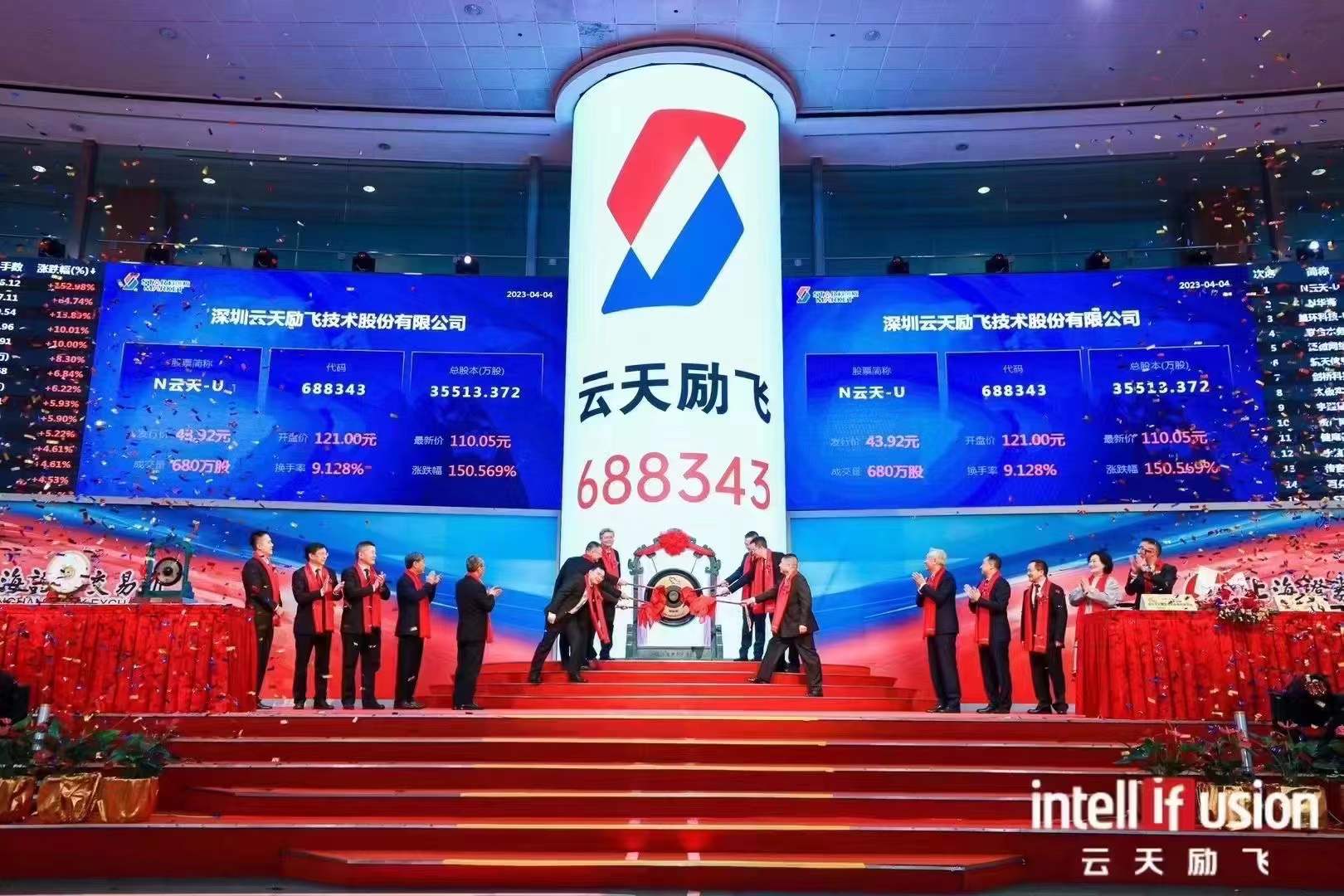
Intellifusion(云天励飞) company visit in Shenzhen introduces international business delegations to Shenzhen Intellifusion Technologies, an artificial intelligence company founded in 2014 and headquartered in Nanshan district. The company is listed on the Shanghai Stock Exchange STAR Market under the code 688343 and focuses on the research, design and commercialisation of AI inference chips.
Intellifusion is a useful visit for two different reasons. First, it sits at the point where Chinese AI companies are building their own inference hardware rather than relying on imported accelerators, which makes it a direct way to discuss domestic chip strategy, cost and supply. Second, it started in visual recognition and city-scale deployments, so it shows how an algorithm company becomes a chip company.
A visit is organised around the company's exhibition hall, product demonstrations and a briefing and Q&A with company specialists.
China Innovation Visits coordinates the Intellifusion tour, including the company reception, scheduling, Shenzhen transport and English interpretation.
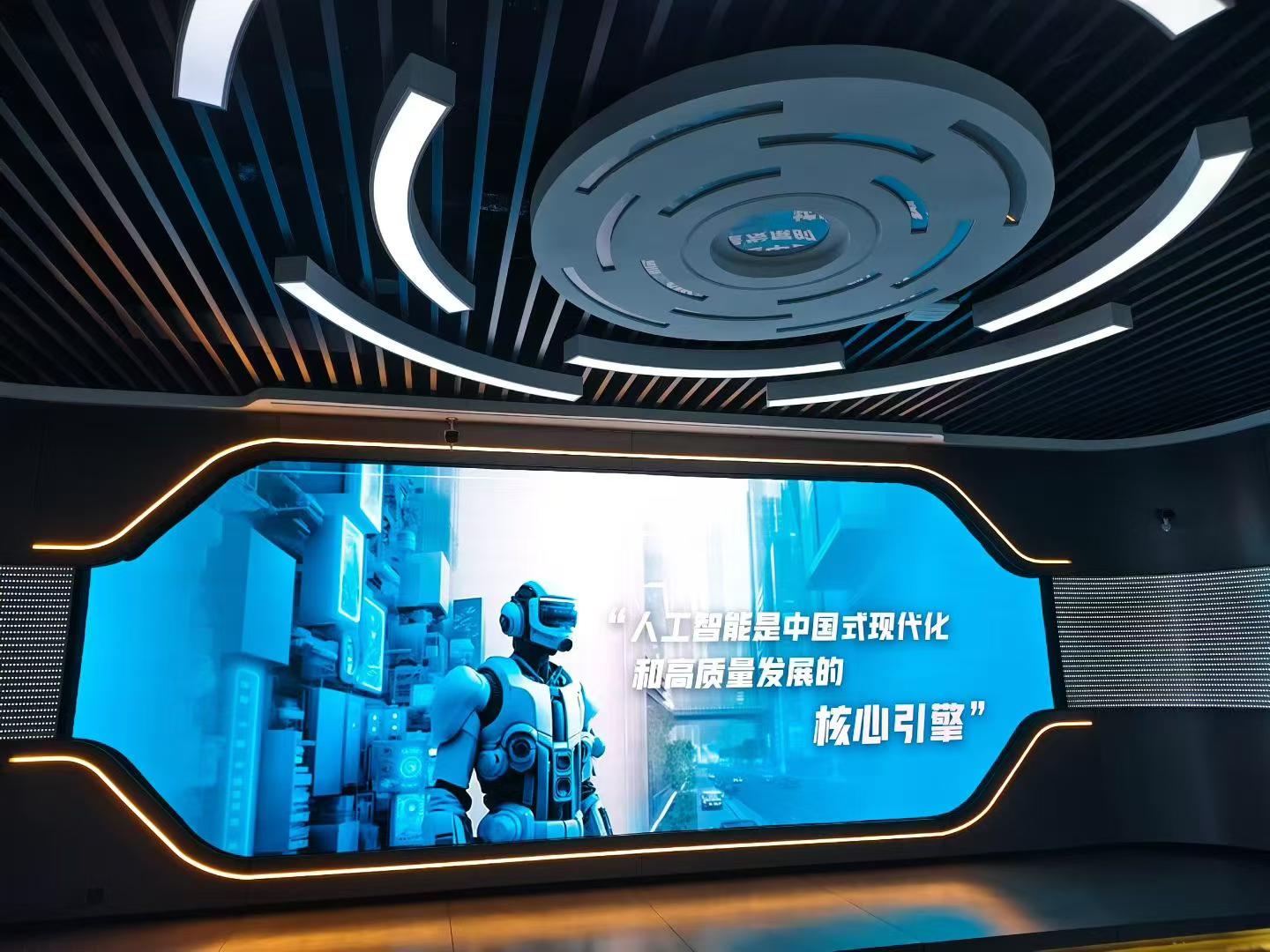
Key takeaways
- Understand how an AI algorithms company moved into designing its own inference chips.
- See the three chip families covering edge, cloud and embodied intelligence.
- Discuss domestic semiconductor process choices and what they mean for supply and cost.
- Compare enterprise, consumer and industry deployment models in one company.
- Examine financial and market position using disclosed figures rather than presentations.
Why visit Intellifusion in Shenzhen?
Inference is where AI cost is actually incurred. Training makes headlines, but every query, camera feed and model call runs on inference hardware, and the economics of that hardware decide whether an application is viable. Intellifusion has built its business around this layer, which makes it a practical place to discuss deployment cost with engineers who work on it daily.
The company is also a clear example of a wider Chinese industrial pattern: moving from software and algorithms into self-designed silicon, on domestic manufacturing process. Delegations interested in semiconductor strategy, supply-chain resilience or AI infrastructure cost will find the discussion concrete.
Shenzhen adds context. The city's electronics ecosystem, component suppliers and manufacturing partners support rapid iteration from chip design to product, and the visit can be combined with other Shenzhen technology visits.
Company background
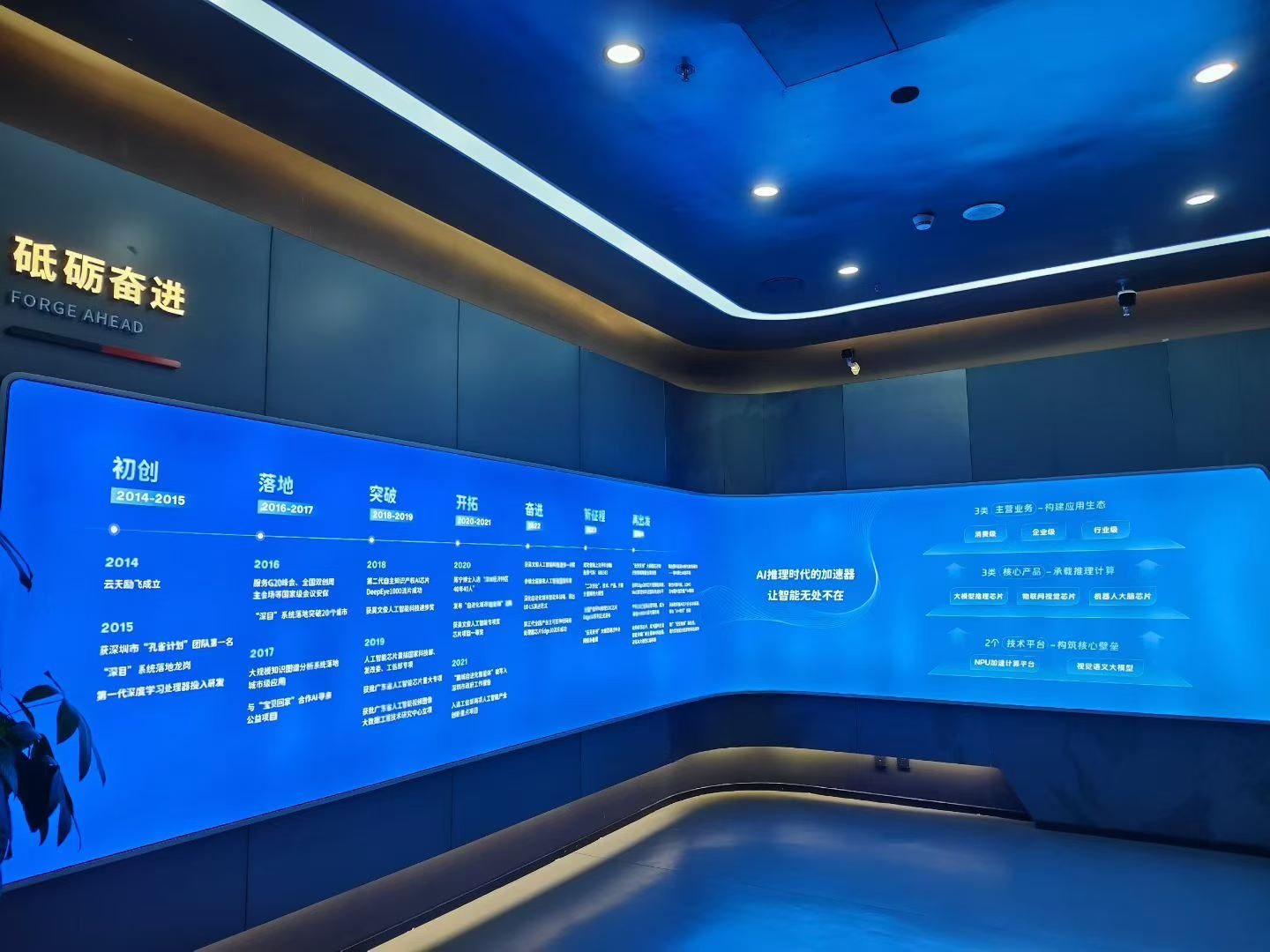
Founded in 2014
Intellifusion was founded in 2014 and is headquartered in Shenzhen, with its offices in the Nanshan district. The chairman and general manager is Chen Ning. Company materials describe the business as among the first in China to take large-scale AI deployments into commercial use, starting with visual recognition systems for public safety before extending into chips.
That early work produced DeepEye, which company and third-party materials describe as the world's first non-cooperative facial recognition system built for public security, capable of search across very large face databases. Company materials also state more than 1,300 intellectual property rights and over 900 patent applications, with invention patents accounting for more than 80 per cent.
A listed company
Intellifusion is listed on the Shanghai Stock Exchange STAR Market under the ticker 688343. This matters for the visit: revenue, cash flow, research spending and strategy are disclosed, so the briefing can be checked against public filings rather than relying only on company presentations.
The company employs around 1,000 people. It reports deployments across more than 100 cities.
The technology base
Algorithm-chip co-design
Intellifusion describes its foundation as IFIC, an algorithm-chip co-design capability. The idea is that understanding both the algorithm and the deployment scenario allows the instruction set, chip architecture and toolchain to be designed together, producing a chip better matched to real workloads.
On top of this sits Nova, the company's neural processing unit, which it now places within a GPNPU architecture described as combining general programmability with dedicated efficiency. The company presents this as its fifth generation of NPU development.
Software stack and model
Hardware is supported by Hy³CAN, a hardware enablement layer providing a unified programming interface, and IFIE, a software development kit intended to give a controllable environment for model deployment. The company's large model is called IFMind.
Recent work includes adapting its software stack to outside models and open-sourcing Houmao, a multi-agent framework for heterogeneous programming. For technical delegations, the software stack is often the more revealing subject, because it determines how easily existing models can be moved onto the company's chips.
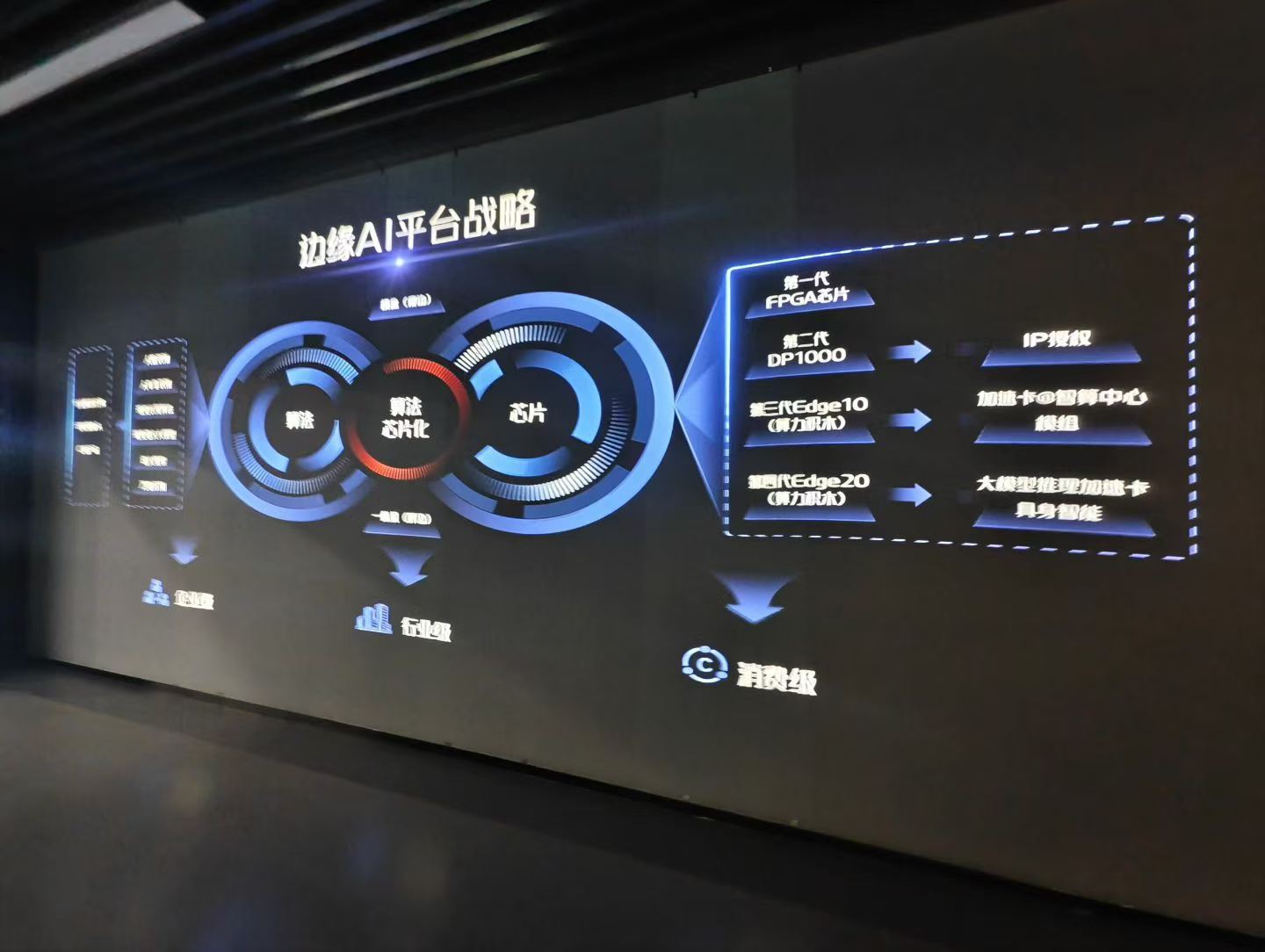
Three chip families
Edge inference
DeepEdge is the edge inference family, aimed at edge gateways, edge boxes and home hosts. The company highlights DeepEdge200 as a commercial large-compute chip and states that it was among the first designs on a domestic advanced process to use die-to-die chiplet integration.
Cloud inference
DeepVerse is the cloud inference family, covering data centre use including accelerator cards and supernode systems. Company materials cite an X6000 8U 16-card system as the first on a domestic advanced process to use chip-to-chip mesh torus interconnect.
Embodied intelligence
DeepXBot is the newest family, intended for robots, drones and unmanned vehicles. This line connects the company's inference work to embodied intelligence, where compute has to run onboard with power and thermal limits.
From public safety to three customer tiers
The company now organises its business into three tiers. Enterprise covers self-developed AI inference chips and related products, heterogeneous computing services and IP licensing. Consumer covers AI-native products such as an AI learning camera and AI pet device, plus AI-enabled modules for earphones and watches. Industry covers integrated hardware and software solutions for city governance, transport and public safety.
This mix is deliberately broad, and it is worth discussing during the visit. Chip development is capital-intensive and slow to recover cost, while consumer products and industry solutions generate nearer-term revenue. How a company balances those two is a useful question for any delegation thinking about hardware strategy.
Scale and financial position
Reported results show rapid top-line growth. For 2025 the company reported revenue of 1.339 billion yuan, up about 46 per cent year on year, with operating cash flow turning positive at 265 million yuan. Enterprise-tier revenue was 536 million yuan with a gross margin of about 48 per cent.
The first quarter of 2026 continued that trend, with revenue of 312 million yuan, up about 18 per cent, operating cash flow positive, and research and development spending of 140 million yuan, equal to roughly 45 per cent of revenue.
These figures should be read together with the fact that the company still reports losses on a trailing basis, which is normal for a chip developer at this stage of investment. Market position is also worth attributing carefully: in materials citing a China Insights Consultancy report, the company is placed among the top three full-scenario AI inference chip product and service providers in China by 2024 revenue, and among the top two NPU-driven providers. These are company-cited rankings.
What the visit covers
Exhibition hall
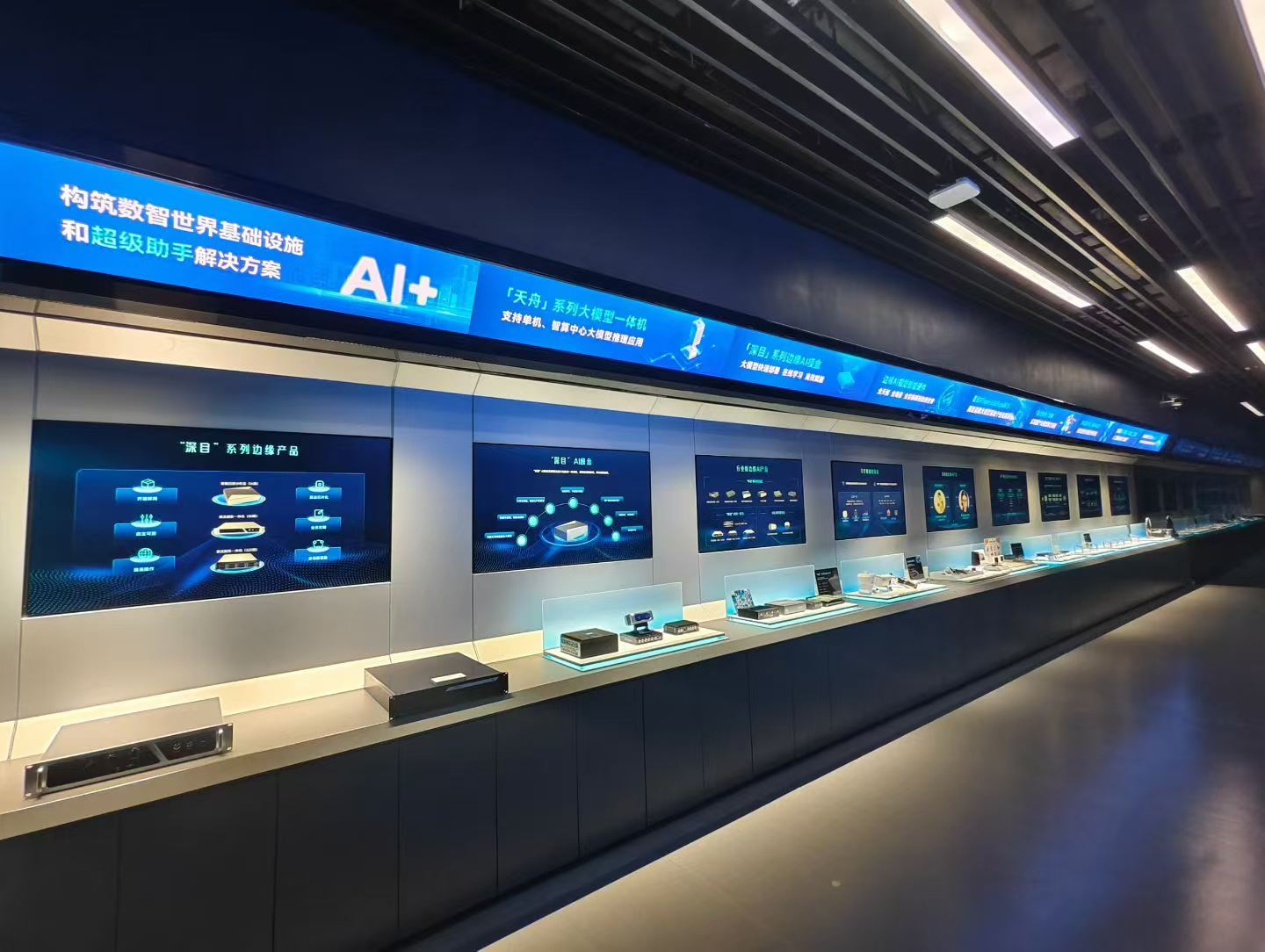
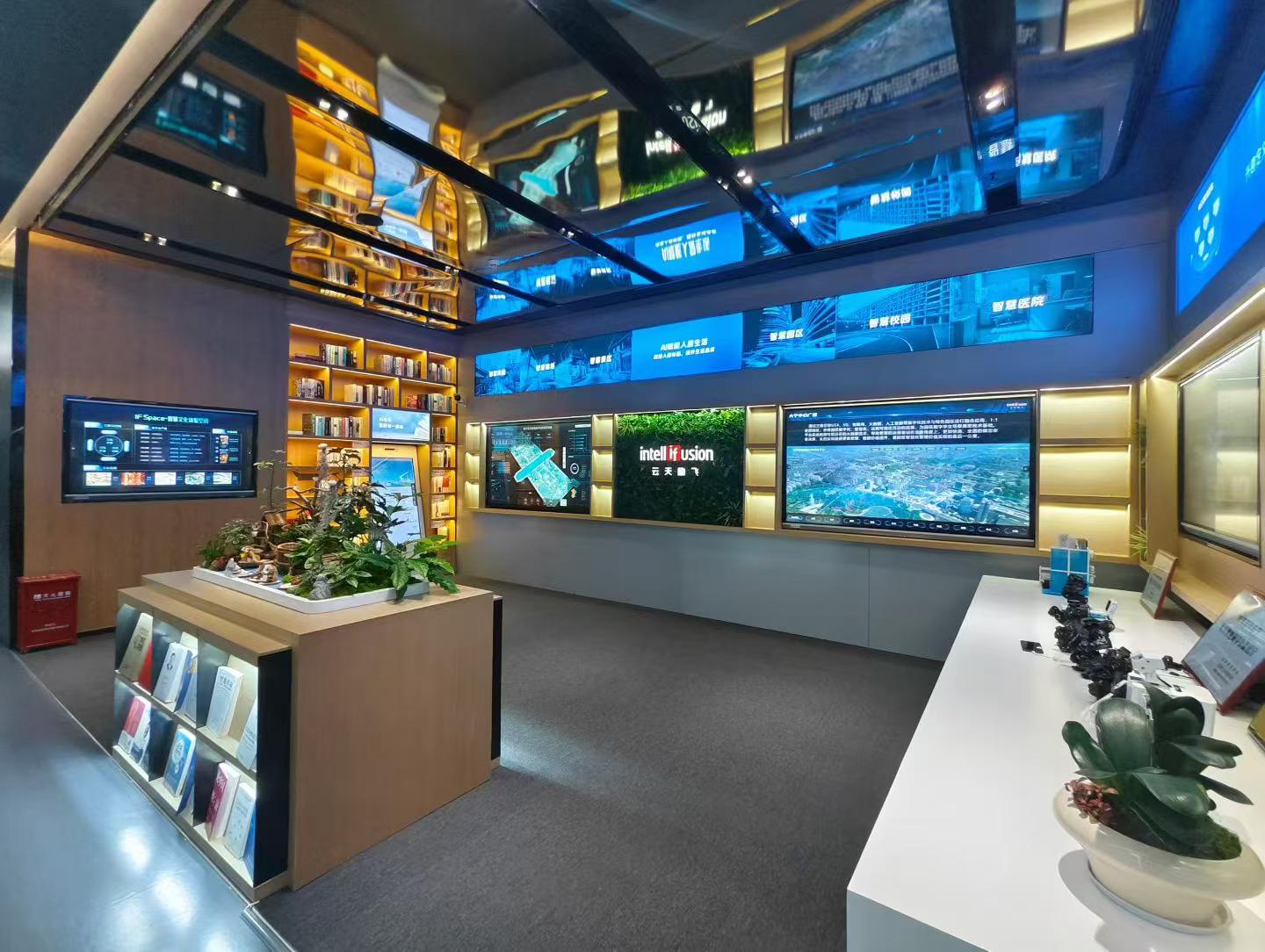
The visit uses the company's exhibition hall in Shenzhen, where chip products, boards and systems, software demonstrations and end products are presented together. Demonstrations arranged by the host typically show inference workloads running on the company's own hardware, alongside consumer and industry products.
Company briefing and Q&A
A company specialist leads the briefing and Q&A. The discussion can cover the move from algorithms to chips, the GPNPU architecture, domestic process choices, software stack maturity, application tiers and overseas plans. Priorities are adjusted to the delegation's interests, and questions submitted in advance help the host prepare.
How to arrange an Intellifusion visit
Visits are arranged in advance through China Innovation Visits and confirmed by the host. We recommend planning at least 30 days ahead.
Visits are normally organised for groups of 10 or more and fewer than 20 participants. Smaller groups can sometimes be accommodated.
Please provide your preferred dates, group size, business background, learning objectives and language requirements. A short list of questions helps coordinate the briefing and the terminology used for interpretation.
Sample Visit Agenda
09:00–10:00 Visit to Intellifusion Exhibition Hall — Making AI Within Reach The Intellifusion Global Innovation Exhibition Center is located in Shenzhen Bay Technology and Ecology Park, a hub of China's artificial intelligence "highland" and the heart of technological innovation in the Guangdong-Hong Kong-Macao Greater Bay Area. Leveraging Intellifusion's four-in-one technological strengths of "AI chips + algorithms + big data + applications," it has been built into one of China's leading exhibition centers dedicated to artificial intelligence, comprehensively showcasing cutting-edge AI technologies and scenario-based applications. With a total area of approximately 2,300 square meters, it comprises three sections: the AI Exhibition Center, the Data Center, and the Conference Center.
10:10–11:40 Thematic Sharing: The Current State, Applications, and Development of Artificial Intelligence, covering the current status of AI, AI applications, Intellifusion's development and future layout, and the direction of AI development.
The timings and programme are subject to final confirmation with the host.
Combine with other Shenzhen visits
An Intellifusion visit fits into a wider Shenzhen technology programme. For computing and AI infrastructure in the same city, a Huawei visit provides a larger-scale perspective. A UBTech visit covers robotics at the application end of embodied intelligence, while a Shenzhen Robotics Valley visit places the wider cluster in context.
Combinations are coordinated around the delegation's objectives, travel schedule and host availability.
Practical notes
- Comfortable casual shoes are recommended for walking and standing during the hall visit.
- Follow the guided route and staff instructions during demonstrations.
- Photography rules are confirmed in advance; tell us during planning if you need images for internal reporting.
- Chip and product details presented may change; some roadmap items are development-stage rather than shipping products.
- English interpretation can be arranged for the hall visit, briefing and Q&A.
Questions before an Intellifusion visit
Is the visit open to international business delegations? Yes, subject to advance arrangements and confirmation by the host. We recommend planning at least 30 days ahead.
What is the group size? Visits are normally arranged for groups of 10 or more and fewer than 20 participants. Smaller groups can sometimes be accommodated.
How long does the visit take? The standard programme runs about two and a half hours, typically from 09:30 to 12:00, covering arrival, the exhibition hall, demonstrations, briefing and Q&A.
Do participants need a technical background? No. The visit can be approached through strategy, investment, procurement or engineering, and terminology is handled through interpretation.
What preparation is useful? Please share your business background and key questions in advance, and wear comfortable shoes for walking and standing.
Is English interpretation provided? Yes, interpretation can be arranged for the hall visit, briefing and Q&A, with terminology prepared around the delegation's interests.
Is Intellifusion a listed company? Yes. It is listed on the Shanghai Stock Exchange STAR Market under the code 688343, so revenue, cash flow and research spending are publicly disclosed.
What are the three chip families? DeepEdge for edge inference, DeepVerse for cloud inference and data centre use, and DeepXBot for embodied intelligence such as robots, drones and unmanned vehicles.
Is the company profitable? Revenue has grown quickly and operating cash flow has turned positive, but the company still reports losses on a trailing basis while it invests heavily in chip development, with research spending close to half of revenue.
Why does the domestic process matter? The company presents its chips as built on domestic manufacturing process, which affects supply security, cost and availability, and is one of the more substantive topics to raise during the briefing.
Does the programme always run as described? It is built around the elements above. Facilities and areas opened on the day are subject to what the site opens, and we confirm the final scope in writing during planning, before you commit.
Arrange your Intellifusion visit
Tell us your dates, group size and what your team wants to understand about AI inference chips. China Innovation Visits will coordinate the company reception, discussion priorities, transport and English interpretation.
Contact China Innovation Visits to arrange your Intellifusion company visit in Shenzhen.