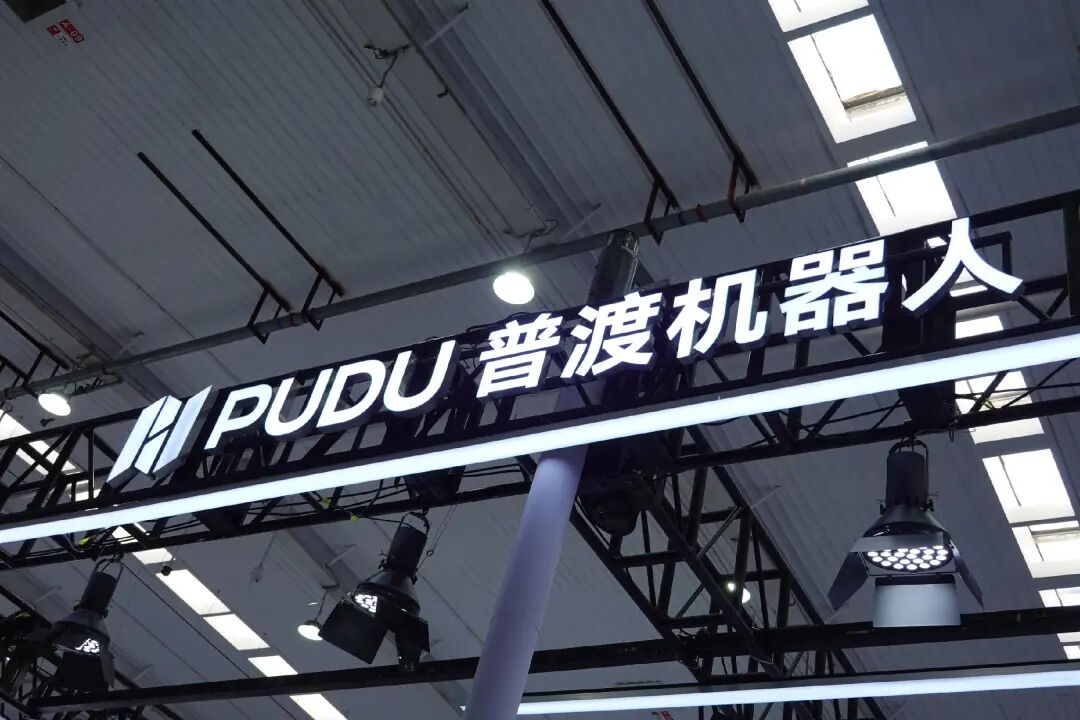
A PUDU company visit in Shenzhen introduces international business delegations to Pudu Robotics, a commercial service robot maker founded in 2016 and headquartered in Nanshan district. The company develops, manufactures and sells robots used in restaurants, hotels, hospitals, retail stores, office buildings, factories and public spaces.
Pudu Robotics is one of the few service robot companies that has moved beyond pilots into large-scale international delivery. It reports having shipped more than 130,000 units, with a presence in more than 85 countries and regions. For delegations assessing service robotics as a purchase, a distribution opportunity or a benchmark for automation economics, this scale is the reason to visit.
A visit is organised around the company's exhibition hall, product demonstrations and a briefing and Q&A with company specialists.
China Innovation Visits coordinates the PUDU tour, including the company reception, scheduling, Shenzhen transport and English interpretation.
Key takeaways
- See the full Pudu Robotics range, from delivery robots to industrial and humanoid machines.
- Understand how one company serves hospitality, retail, healthcare, industry and public spaces.
- Compare four product lines that grew out of a single technology base.
- Discuss deployment economics, including payback and staffing questions, with company specialists.
- Examine how a Chinese robotics company builds a mostly overseas business.
Why visit Pudu Robotics in Shenzhen?
Service robots are a useful subject for a business delegation because the buying decision is concrete. A restaurant, hotel, hospital or property manager can compare a robot's cost against labour, throughput and consistency, and the answer is measured in months rather than years. Pudu Robotics is a good place to have that discussion because its products are already deployed at scale in many countries.
The company is also instructive as an export case. Reports describe the majority of its revenue coming from outside China, with products placed in global retail and restaurant chains. Delegations interested in how a Chinese hardware company builds overseas channels, certification, service and distribution will find more here than in a typical factory tour.
The Shenzhen location adds context. The city's electronics supply chain, precision manufacturing and component ecosystem support rapid iteration, and the visit can be combined with other Shenzhen technology visits.
Company background
Founded in 2016
Pudu Robotics was founded in 2016 and is headquartered in Shenzhen, with its offices in the Nanshan district. The founder, Zhang Tao, is a Hong Kong University of Science and Technology graduate. The company has grown from delivery robots for restaurants into a broader robotics business, and now describes itself as operating four product lines.
Global footprint
The company reports a presence in more than 85 countries and regions, with research and development in Shenzhen, Chengdu and Hong Kong, and manufacturing at several sites in China. It has filed more than 1,900 patent applications worldwide and holds national-level technology qualifications in China. Reports describe a workforce of more than 2,000 people.
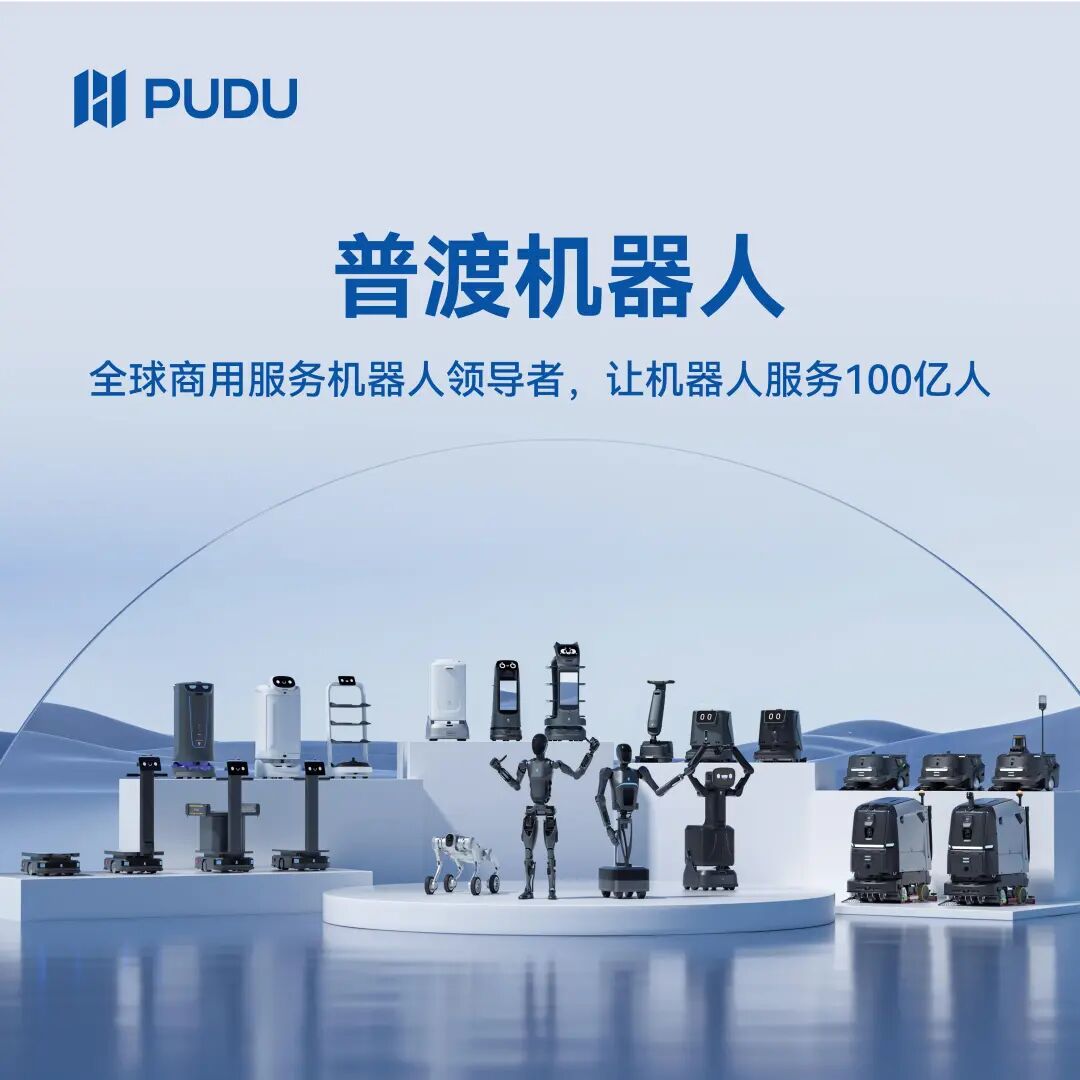
Four product lines
Service delivery robots
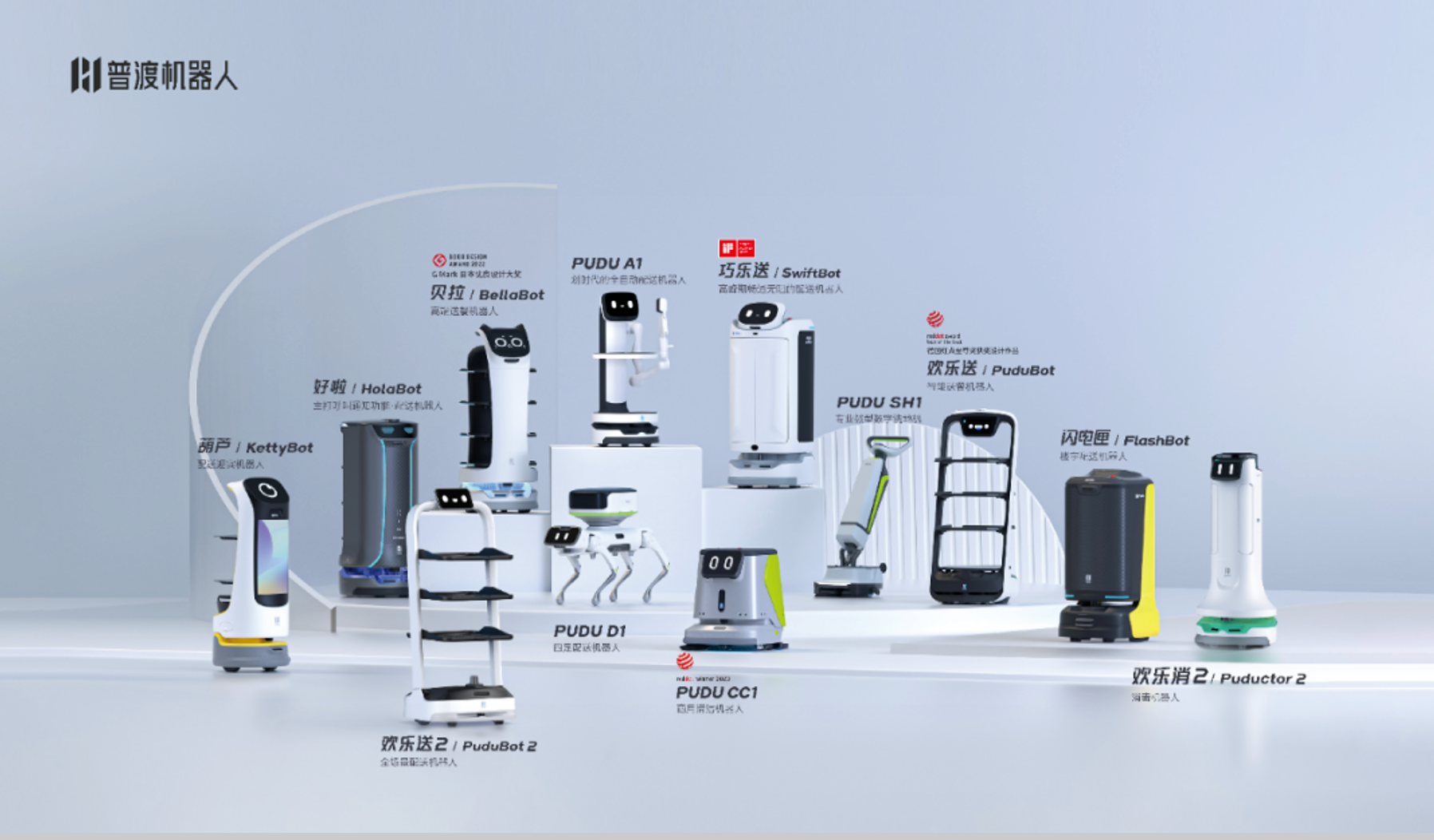
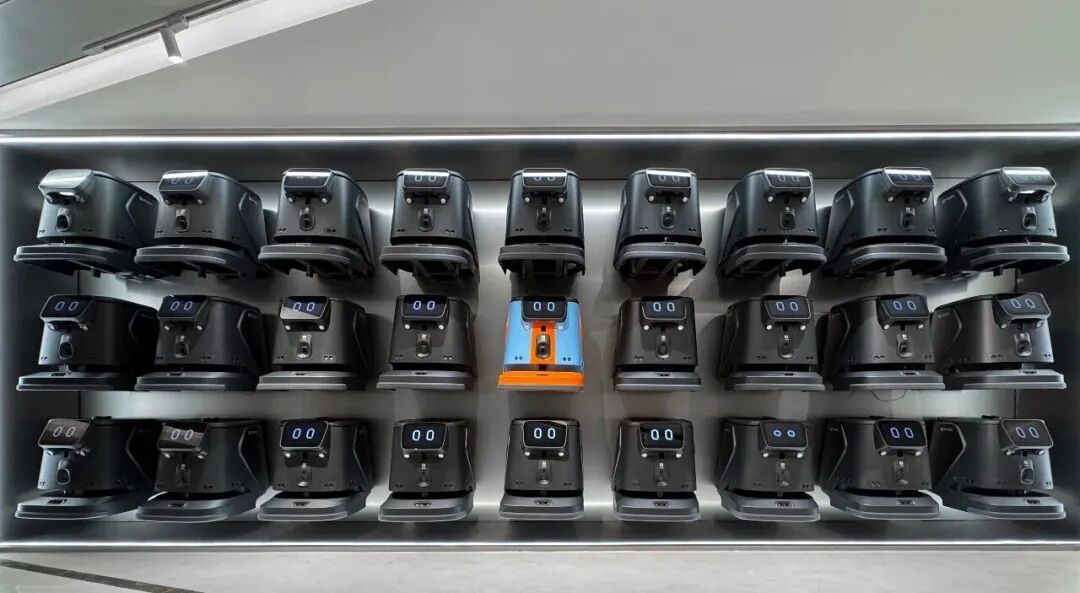
The delivery line is what made the company widely recognisable. BellaBot and BellaBot Pro are delivery and advertising robots used in restaurants; KettyBot Pro and PuduBot 2 cover multi-task and general indoor delivery; FlashBot and FlashBot Max handle building delivery, including lifts and semi-outdoor routes. These machines are the ones most visitors will already have seen in a restaurant or hotel corridor.
Commercial cleaning robots
Cleaning has become the company's largest line by sales. The range includes the CC1 and CC1 Pro autonomous cleaning robots, the MT1 sweeper family, the SH1 upright scrubber dryer, and the AI-native BG1 and ET1 scrubber-dryers. For property, retail and facilities delegations this is usually the most directly relevant part of the portfolio, because cleaning cost is easy to quantify.
Industrial delivery
The industrial line covers factory and warehouse movement, including the T300 and T150 industrial delivery robots and the MP2000 pallet-handling robot. These machines carry heavier loads and work to industrial standards, extending the company from commercial spaces into production and logistics environments.
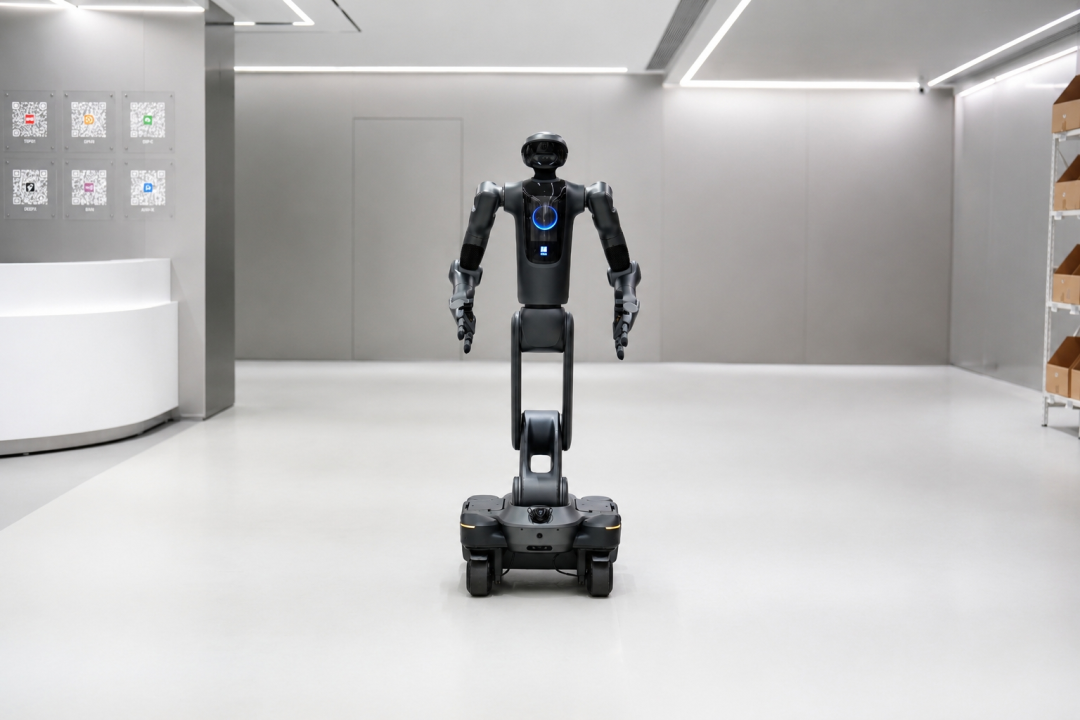
Embodied AI and humanoid robots
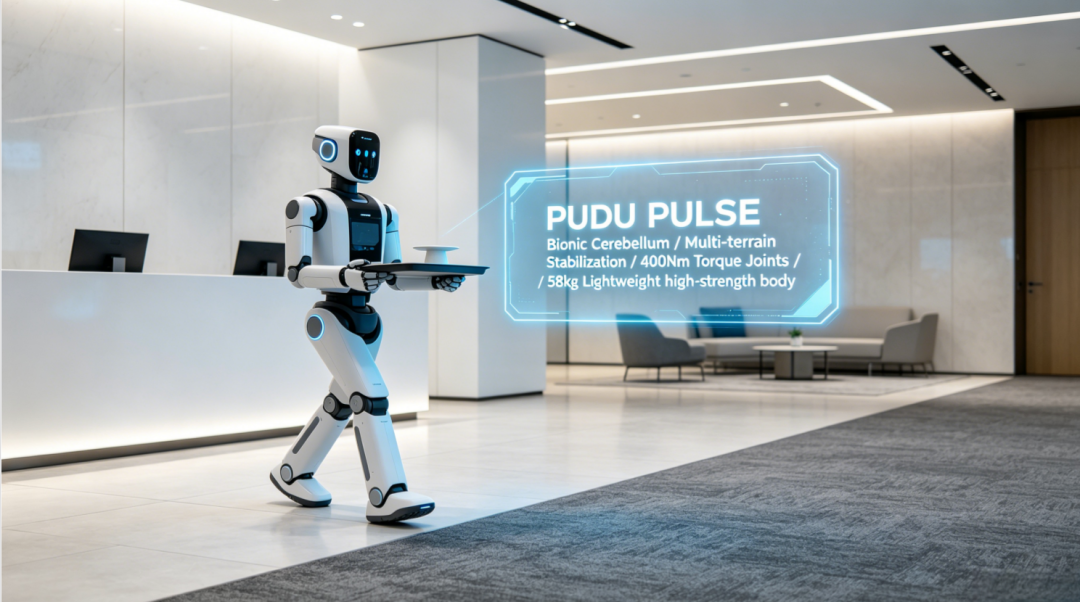
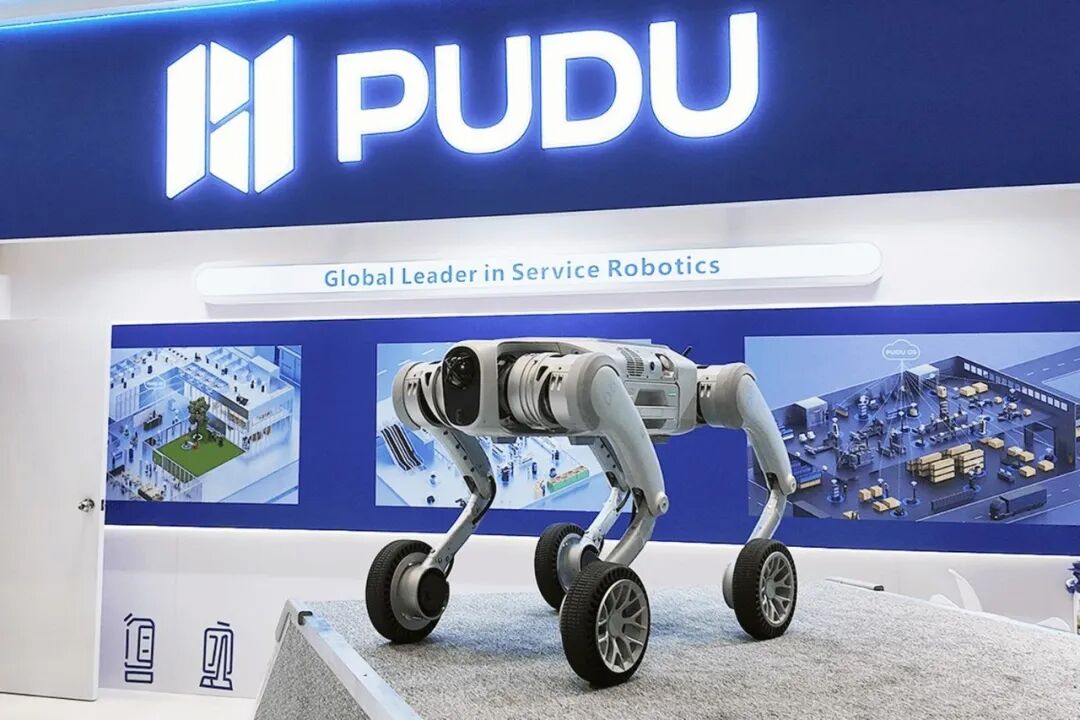
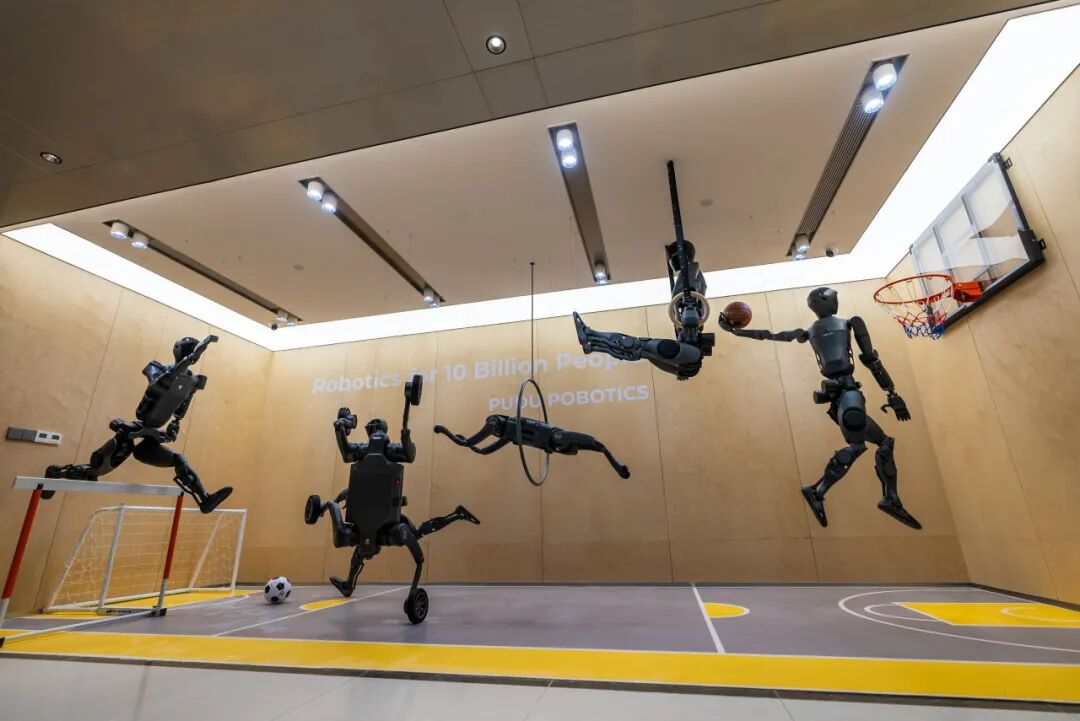
The newest line covers general embodied intelligence. PUDU D9 is described by the company as its first full-size biped humanoid robot, while D7 is a semi-humanoid industrial robot with a stated payload of up to 14 kilograms and an operating height of two metres. FlashBot Arm is a semi-humanoid service robot with dual arms, and the D5 is a quadruped robot.
This line is early-stage commercially, and the visit discussion is usually more valuable for understanding direction than for evaluating purchases.
Technology base
Pudu Robotics describes three core technologies: embodied navigation, embodied manipulation and embodied interaction. These cover how a robot moves through a real environment, how it handles objects, and how it works with people around it.
The company organises these into what it calls a "one brain, multiple embodiments" architecture, in which a shared intelligence platform supports different robot forms. It released the PuduFM 1.0 embodied model and the PUDUAgent platform in 2026, and reports that navigation algorithms, fleet scheduling, motion controllers and integrated joint modules are developed in-house.
For technical delegations, the interesting question is how much of the value sits in the shared platform rather than in any single machine, and whether that platform approach is what makes four product lines economical to support.
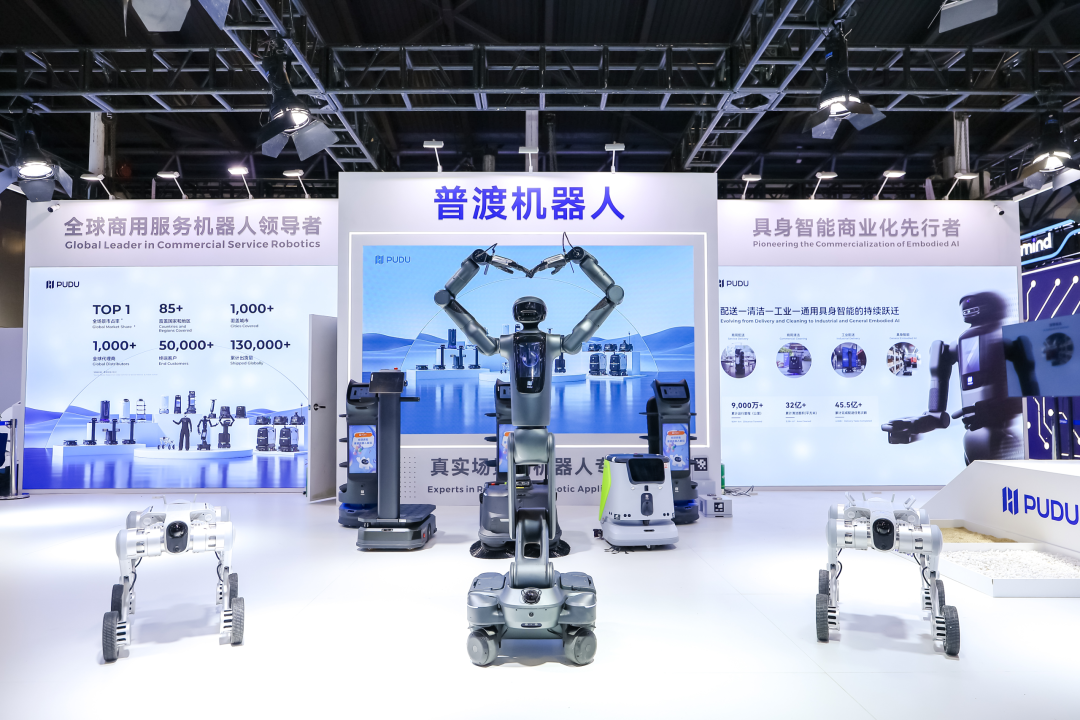
Scale and market position
The company reports more than 130,000 units shipped globally. Market positions cited by the company include a Frost & Sullivan 2025 report placing it first in the global commercial service robotics industry by revenue and shipments, first among Chinese commercial service robotics companies by overseas market share, and first globally in commercial cleaning robotics revenue. A Counterpoint report in 2026 is cited for leading global commercial cleaning robot shipments and revenue.
These are company-cited rankings, and they are worth reading alongside the company's own financial picture. Reports describe a funding round in April 2026 of about 1 billion yuan, led by Longgang Financial Control together with Asia Investment Capital and joined by investors including BAIC Industrial Investment and Lens Technology, valuing the company at over 10 billion yuan. Earlier investors include Tencent, Sequoia China, Meituan and Shenzhen Investment Holdings, with cumulative funding reported at more than 2 billion yuan. Reports also describe the company as preparing for a Hong Kong listing, though it remains private.
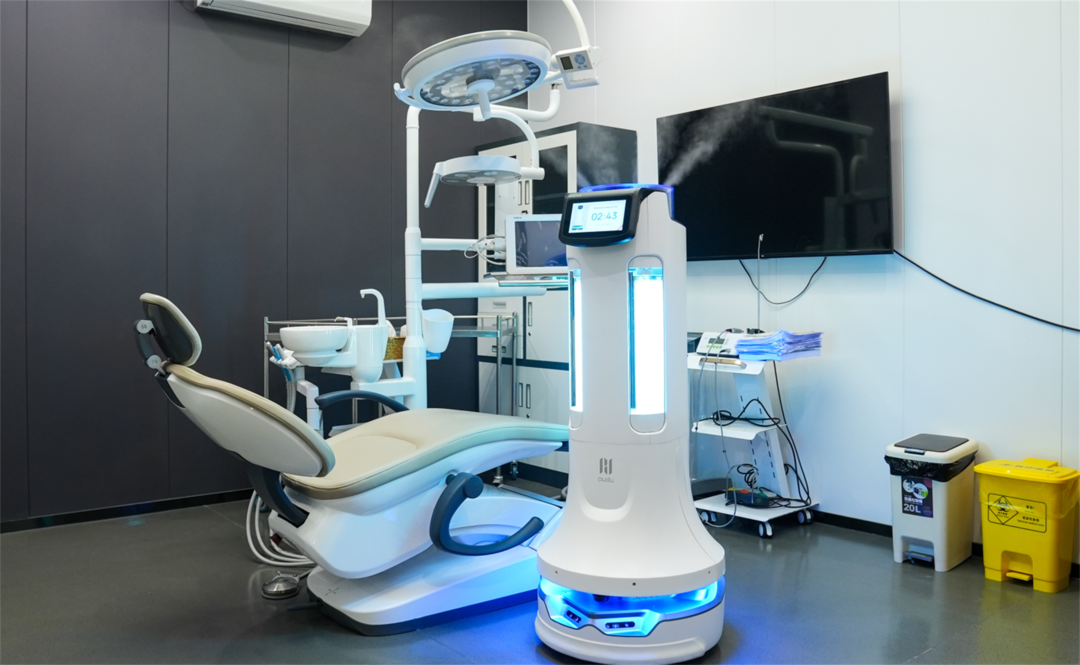
Where the robots work
Hospitality and retail
Restaurants and hotels remain the most visible deployments. The company lists restaurant and hotel chains among its customers, and reports describe large overseas orders, including one from a Japanese restaurant chain for more than 3,000 BellaBot units. Robots are used for food delivery, dish collection, advertising and reception.
Airports, healthcare and public spaces
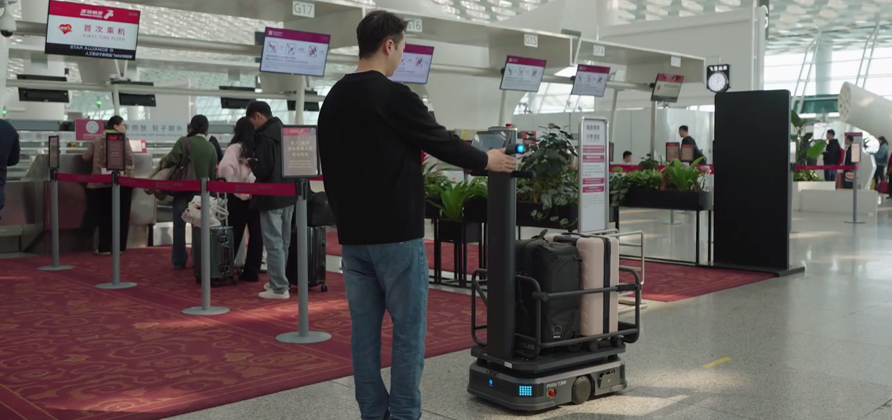
Deployment extends to hospitals, offices, government service halls, schools and transport hubs. The company reports its products in more than 40 airports worldwide. Cleaning and delivery robots are used where labour cost, consistency and round-the-clock operation matter.
What the visit covers
Exhibition hall
The visit uses the company's exhibition hall in Shenzhen, where the product range is presented together. Displays typically cover the delivery, cleaning, industrial and embodied intelligence lines, and demonstrations arranged by the host show robots navigating, avoiding obstacles and performing delivery or cleaning tasks. Robots moving around the hall while visitors are present is often the part that makes the scale of deployment tangible.
Company briefing and Q&A
A company specialist leads the briefing and Q&A. The discussion can cover navigation and fleet scheduling, deployment economics, industry applications, overseas market development and the move into embodied intelligence. Priorities are adjusted to the delegation's interests, and questions submitted in advance help the host prepare.
Because the audience is usually mixed, with operators, investors and engineers in the same room, the most useful briefings are those where each group's questions are sent ahead of time.
How to arrange a Pudu Robotics visit
Visits are arranged in advance through China Innovation Visits and confirmed by the host. We recommend planning at least 30 days ahead.
Visits are normally organised for groups of 10 or more and fewer than 20 participants. Smaller groups can sometimes be accommodated.
Please provide your preferred dates, group size, business background, learning objectives and language requirements. A short list of questions helps coordinate the briefing and the terminology used for interpretation.
Sample visit programme
09:40 — Arrival and sign-in at the Shenzhen headquarters, followed by a group photograph.
10:00–10:40 — Exhibition hall and demonstrations. See the four product lines, watch robots work, and compare machines for different settings.
10:50–11:30 — Company briefing and Q&A. Discuss technology, deployment economics, industry applications and overseas development.
12:00 — Visit ends.
The timings and programme are subject to final confirmation with the host.
Combine with other Shenzhen visits
A Pudu Robotics visit fits naturally into a wider Shenzhen robotics or automation programme. For teams comparing humanoid development, a UBTech visit offers a humanoid perspective in the same city. An Ecovacs visit covers a different route into service robotics through the home, while a Shenzhen Robotics Valley visit places the whole cluster in context.
Combinations are coordinated around the delegation's objectives, travel schedule and host availability.
Practical notes
- Comfortable casual shoes are recommended for walking and standing during the hall visit.
- Robots move through the demonstration area, so follow the guided route and staff instructions.
- Photography rules are confirmed in advance; tell us during planning if you need images for internal reporting.
- Demonstrations may change according to equipment availability and reception arrangements.
- English interpretation can be arranged for the hall visit, briefing and Q&A.
Questions before a Pudu Robot visit
Is the visit open to international business delegations? Yes, subject to advance arrangements and confirmation by the host. We recommend planning at least 30 days ahead.
What is the group size? Visits are normally arranged for groups of 10 or more and fewer than 20 participants. Smaller groups can sometimes be accommodated.
How long does the visit take? The standard programme runs about two and a half hours, typically from 09:40 to 12:00, covering arrival, the exhibition hall, demonstrations, briefing and Q&A.
Do participants need a technical background? No. The visit can be approached through operations, facilities management, investment or distribution, and terminology is handled through interpretation.
What preparation is useful? Please share your business background and key questions in advance, and wear comfortable shoes for walking and standing.
Is English interpretation provided? Yes, interpretation can be arranged for the hall visit, briefing and Q&A, with terminology prepared around the delegation's interests.
How large is the company's installed base? The company reports more than 130,000 units shipped globally, with a presence in more than 85 countries and regions.
Which industries use the robots? Deployment is reported across restaurants, hotels, retail, healthcare, offices, factories, warehouses, education and public services, including more than 40 airports.
Is the company listed? No. Reports describe Pudu Robotics as preparing for a Hong Kong listing, but it remains a private company, and funding and valuation figures come from disclosed rounds rather than public filings.
What is the most useful question to ask during the briefing? Deployment economics. Asking how a specific robot compares with labour cost in your own setting produces a more grounded discussion than asking about specifications alone.
Does the programme always run as described? It is built around the elements above. Facilities and areas opened on the day are subject to what the site opens, and we confirm the final scope in writing during planning, before you commit.
Arrange your Pudu Robotics visit
Tell us your dates, group size and what your team wants to understand about service robotics. China Innovation Visits will coordinate the company reception, discussion priorities, transport and English interpretation.
Contact China Innovation Visits to arrange your PUDU company visit in Shenzhen.