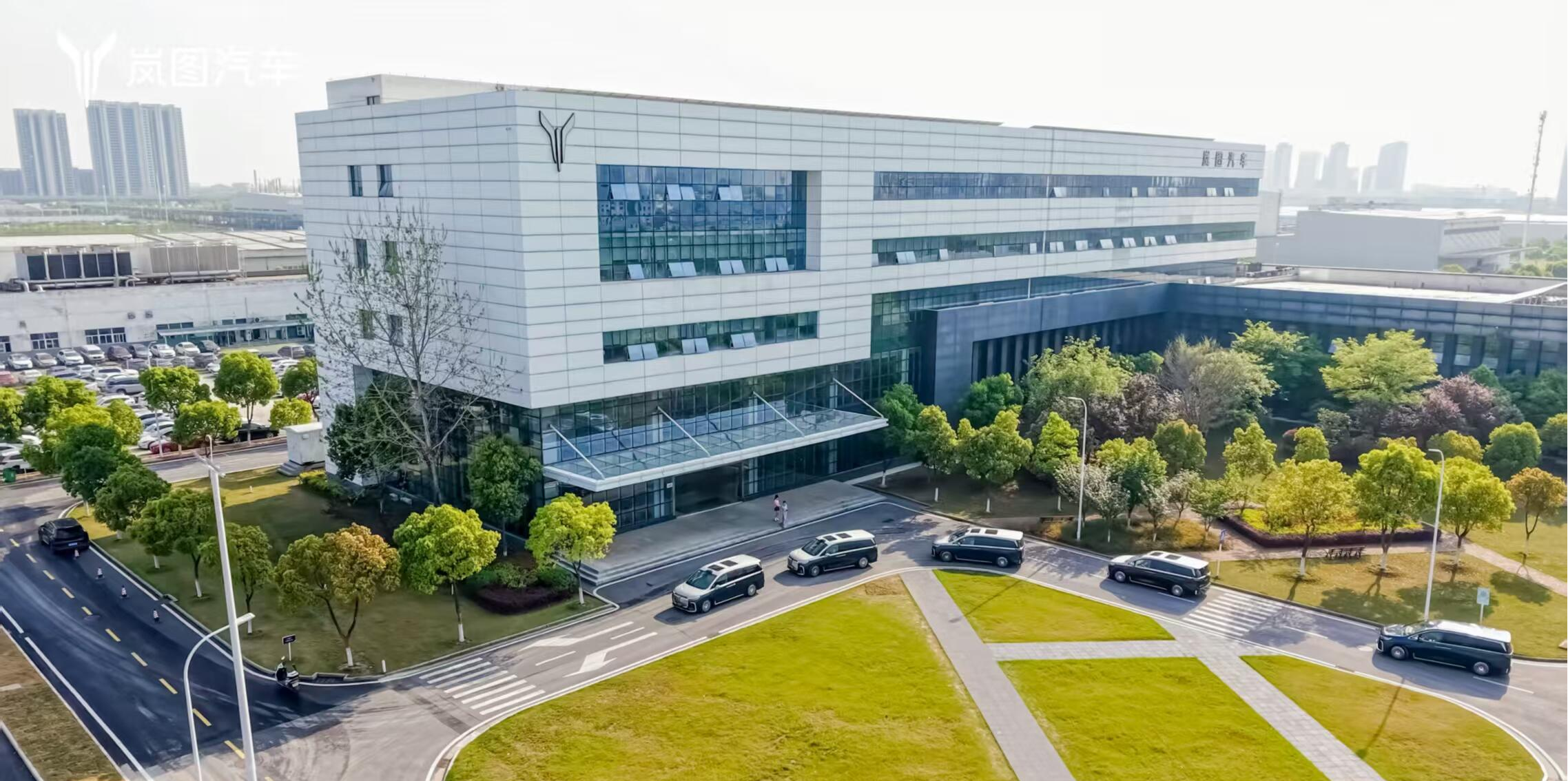
A Voyah(东风岚图) visit in Wuhan takes a delegation to the brand that answered a question the Chinese industry had been arguing about for years: whether a state-owned group can build a premium new energy brand from nothing. Voyah is the high-end smart new energy brand of Dongfeng Motor, launched in 2020 and headquartered in Wuhan. It delivered 150,169 vehicles in 2025, up 87 per cent, and became the first central state-owned enterprise brand in China to reach cumulative production of 300,000 premium new energy vehicles.
The reason to go in 2026 is that the growth is not bought. Voyah's average transaction price is above 400,000 yuan on its flagship MPV, and about 55 per cent of those buyers traded up from BMW, Mercedes-Benz or Audi. Gross margin rose from 14.2 per cent in 2023 to 20.9 per cent in 2025. A Chinese premium brand that grew 87 per cent while raising price and margin is doing something different from volume-first competitors.
The second reason is the listing. Voyah listed on the main board of the Hong Kong Stock Exchange on 19 March 2026 by way of introduction, becoming the first central state-owned premium new energy vehicle company to list independently in Hong Kong. For a delegation, that makes it a rare case where a state-owned manufacturer's governance, capital structure and market strategy can all be examined at once.
China Innovation Visits coordinates the Wuhan programme, including the company reception, scheduling, local transport and English interpretation.
Key takeaways
- See how a state-owned group built a premium new energy brand in five years, from launch in 2020 to 150,169 deliveries in 2025.
- Understand the product matrix: three flagships covering MPV, SUV and sedan, plus an SUV pair for the volume market.
- Look at the technology that is actually in production — an 800-volt hybrid system with 410 kilometres of electric range, and a sedan that holds the segment record.
- Discuss the L3 programme: an architecture launched in 2025, road test licences in Wuhan, and 110,000 kilometres of real-road testing.
- Examine the factory, including China's first fully domestic car body welding line and a safety controller certified in Germany.
- Compare with a BYD visit on the volume and vertical integration model, or an Inovance visit on the industrial control side of Chinese manufacturing.
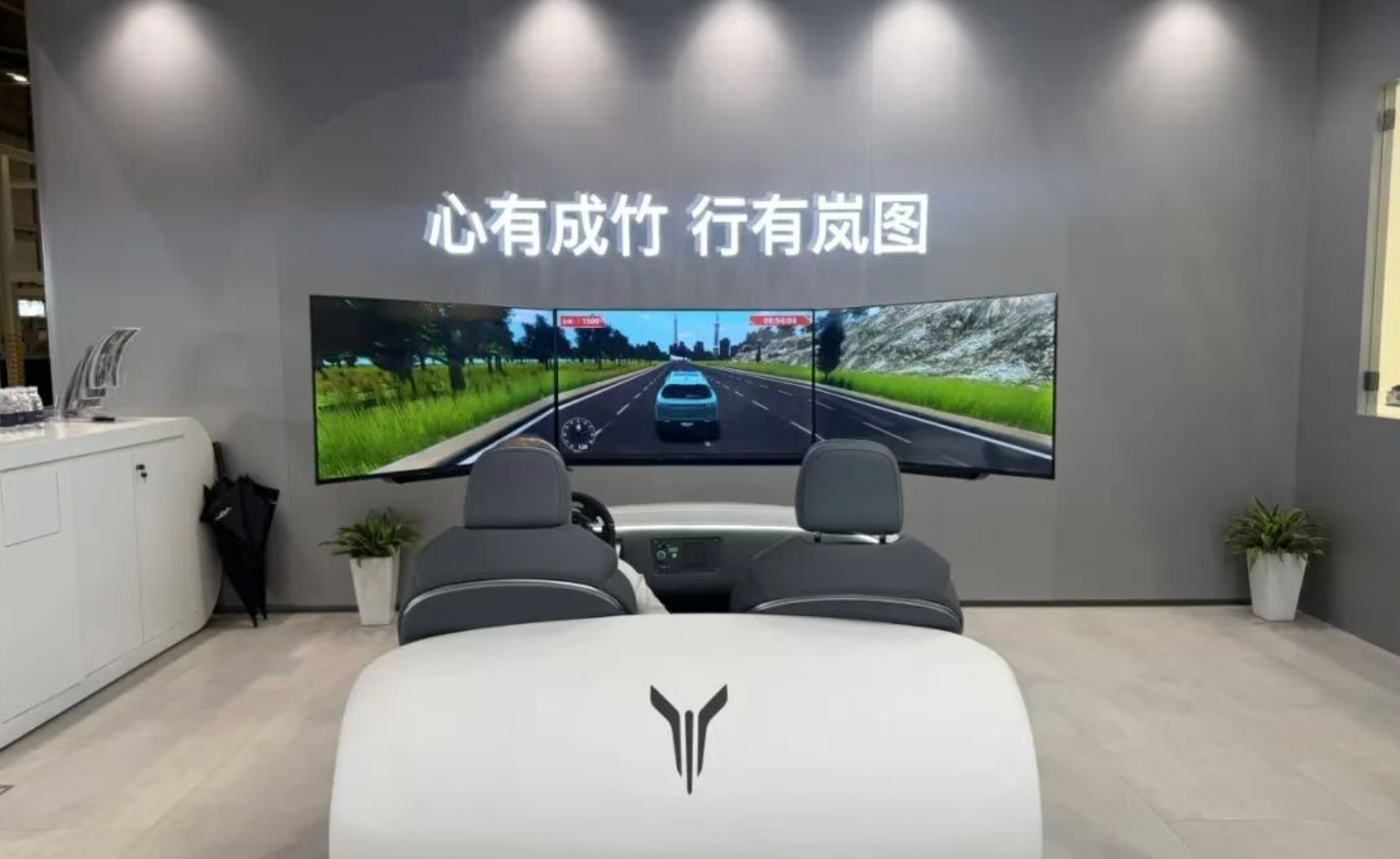
Why visit Voyah in Wuhan?
Premium is the hardest position to win in cars, and it is the position Chinese brands have wanted most. It cannot be bought with price, it takes years of product consistency, and the incumbents are German and Japanese brands with a century of accumulated trust. Voyah is one of the few Chinese brands that has moved into that territory with measurable evidence — half its flagship MPV buyers coming from German premium brands is the number that settles the argument.
It is also the most interesting governance case in the Chinese car industry. Voyah operates with a state-owned parent but its own board, its own management decisions, direct sales rather than dealer networks, and now its own Hong Kong listing. The company describes the model as state-owned foundation with market operation. For a delegation studying how Chinese state enterprises reform, this is the working example rather than the policy document.
Wuhan is the right setting. The city is one of China's oldest automotive bases and Dongfeng's home, with vehicle assembly, components, software and universities around it. Delegations focused on the technology supply chain often pair it with a Huawei visit, since Huawei's driving and cockpit systems run across the Voyah range.
Company background
Five years from launch to 150,000 vehicles
The brand was launched in 2020. The first vehicle, the Voyah Free SUV, went on sale in 2021; the Dreamer MPV followed in 2022; the Passion sedan in 2023. Cumulative deliveries went from 19,400 in 2022 to more than 150,000 in 2025, a compound growth rate above 100 per cent over three years, and cumulative production passed 300,000 during 2025 — the shortest path of that kind for a central state-owned premium new energy brand.
January 2026 deliveries were 10,515 vehicles, up 31 per cent year on year.
The product matrix
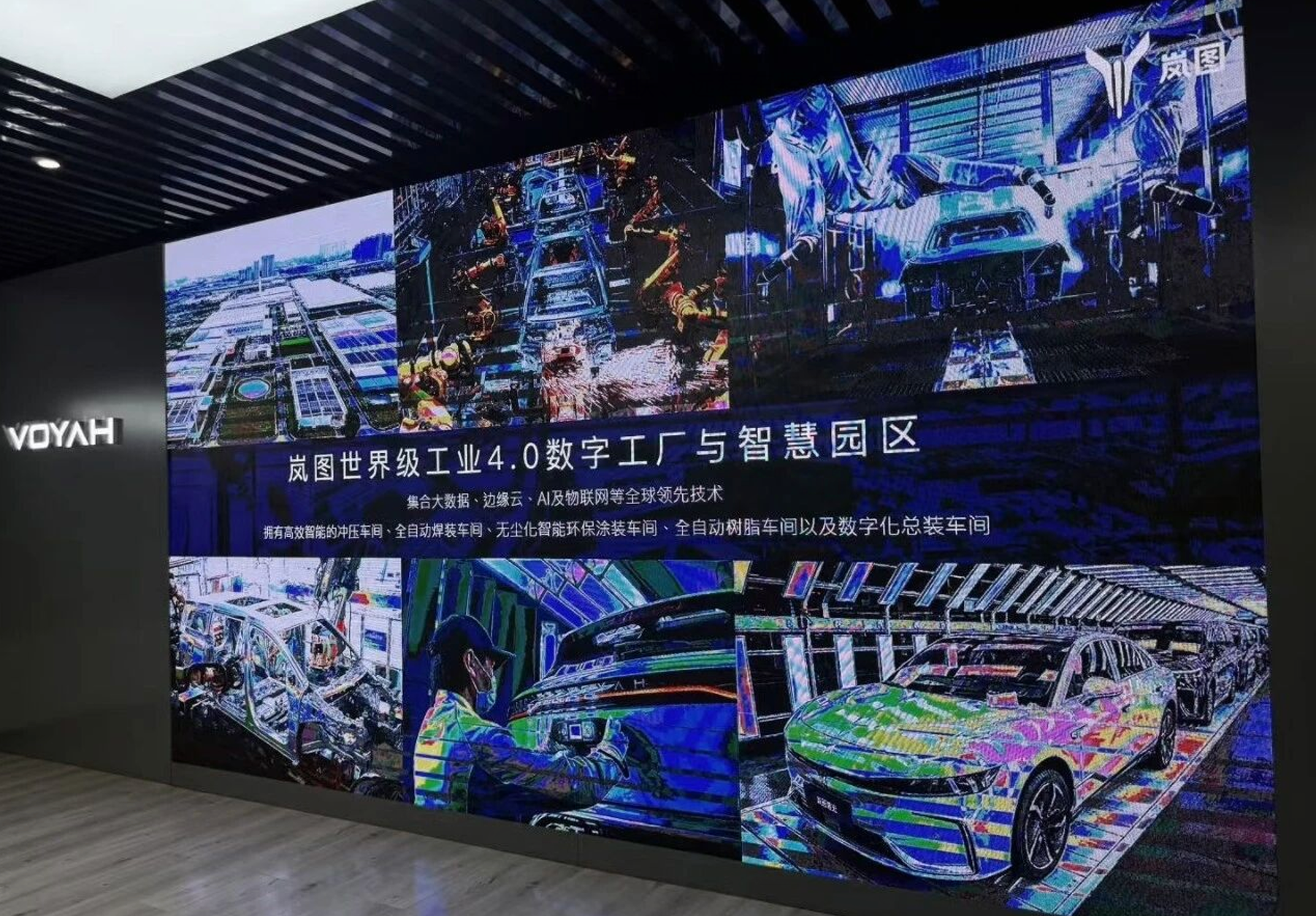
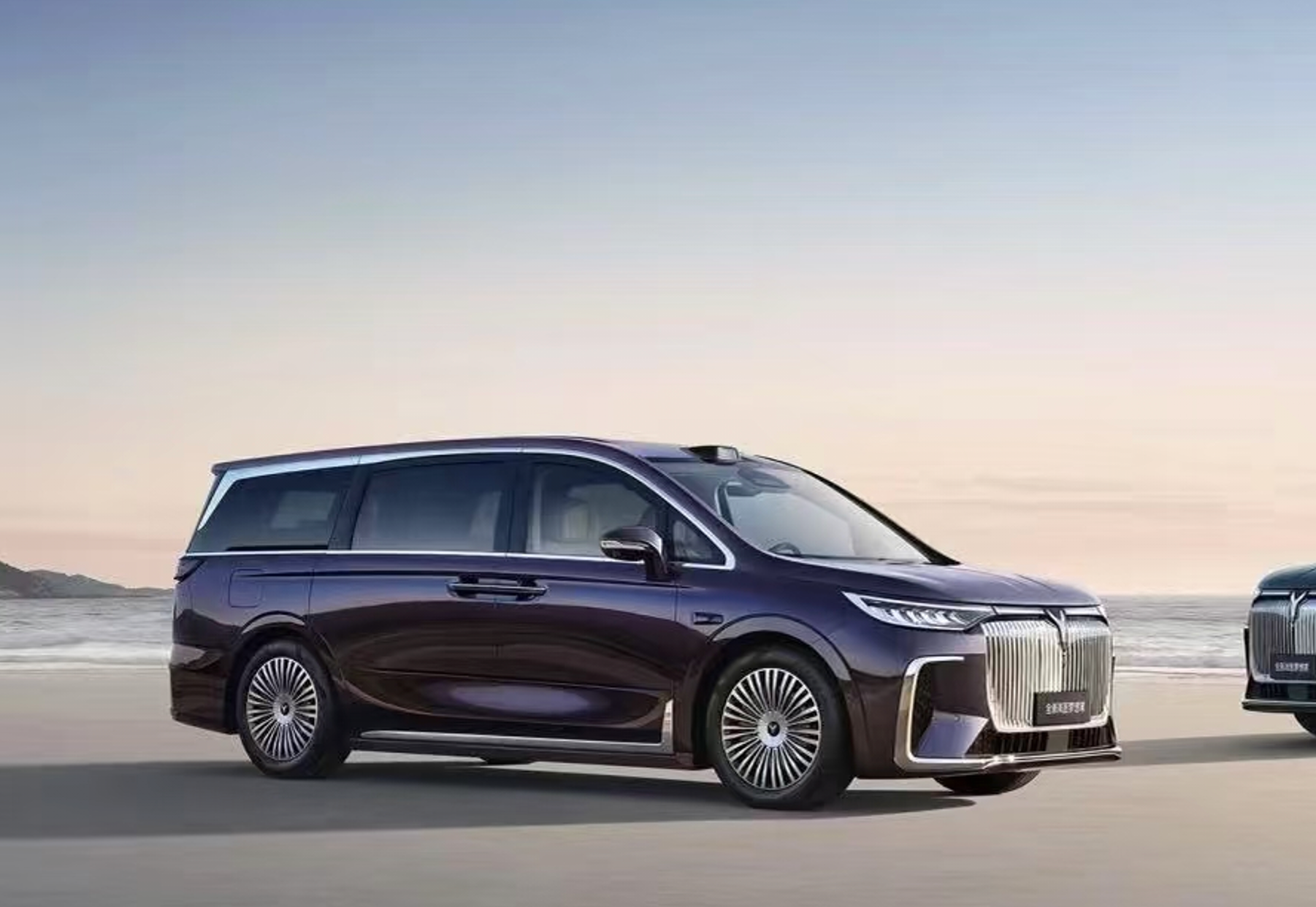
Voyah describes its range as three flagships and an SUV pair. The flagships are the Dreamer MPV, the Taishan SUV and the Passion L sedan. The SUV pair is the Free Plus and the new Zhixin, which carry the volume end.
The flagships matter because they set the price ceiling. The Dreamer has been the best-selling premium MPV in China for months at a time, with around one in three premium MPVs sold in China being a Dreamer, and an average transaction price above 400,000 yuan. The Taishan SUV took 5,000 deliveries in its first 26 days and was named a 2025 Car of the Year by China Central Television. The Passion L, launched in December 2025, completed the flagship set.
The 2025 numbers
Volume and margin
Deliveries were 150,169 vehicles, up 87 per cent. By model, the Dreamer MPV was roughly half of the total, the Free about 30 per cent, and the Zhixin, Passion and Taishan lines contributed the remainder.
Gross margin was 20.9 per cent in 2025, up from 14.2 per cent in 2023, which is high for a premium electric manufacturer and among the best in the Chinese industry. Management attributes it to technology, supply chain management and partner coordination rather than to price increases.
What the customers look like
The customer data is the most interesting part of the story. About 55 per cent of Dreamer buyers moved up from BMW, Mercedes-Benz or Audi. The Taishan attracts buyers across a wide age range — the company describes it as spanning buyers born in the late 1970s to the late 1990s — and pulls a large share of its sales from owners trading out of established premium brands.
That is the evidence for the premium claim. A brand that wins on price wins repeat budget buyers; a brand that wins on product takes customers from the incumbents, and Voyah is doing the second.
Technology
The architecture
Voyah builds on two foundations it developed itself. The ESSA architecture is described as the first native premium electric architecture compatible with multiple powertrain modes, which is what allows the same platform to carry battery-electric, plug-in hybrid and range-extended versions. The centralised SOA electrical and electronic architecture was the first of its kind in China to reach volume production.
Five technology bases sit on top: platform architecture, the Lanhai powertrain, the Xiaoyao intelligent cockpit, the Kunpeng intelligent driving system, and the wider technology ecosystem.
The hybrid system
The Lanhai intelligent hybrid system combines a full-domain 800-volt architecture, 5C fast charging and a large battery pack, producing between 360 and 410 kilometres of electric range and more than 1,400 kilometres of combined range on large vehicles. It was named by Science and Technology Daily as one of China's major technology breakthroughs of the 2021-2025 period.
The production result is the Voyah Passion L, launched in December 2025, which the company describes as the only plug-in hybrid sedan combining a full-domain 800-volt system, 5C charging and a 63 kilowatt-hour battery. It holds what the company describes as the longest electric range of any hybrid sedan in the world at 410 kilometres, charges from 20 to 80 per cent in twelve minutes, and returns a fuel consumption of 4.9 litres per 100 kilometres when the battery is depleted.
L3 and intelligent driving
In April 2025 Voyah launched what it calls the Tianyuan intelligent architecture, its L3-level architecture, integrating the Qingyun L3 safe driving platform and the Kunpeng L3 safe driving system. It holds intelligent connected vehicle road test licences issued in Wuhan, and L3 conditional automated driving is in vehicle testing: 110,000 kilometres of real-road testing and 900,000 kilometres of simulation testing completed.
Intelligent driving and cockpit systems across the range come from Huawei — Qiankun ADS and HarmonySpace — under a strategic cooperation agreement signed in January 2024. The arrangement is deliberate: chassis, powertrain and platform stay in-house, while intelligence comes from a partner. It is the same structural choice several Chinese manufacturers have made, and Voyah is the clearest state-owned example of it.
By the end of 2025 the company had filed more than 5,400 patents, about 85 per cent of them invention patents, at the fastest rate of any Chinese new energy vehicle maker.
The factory: China's first fully domestic welding line
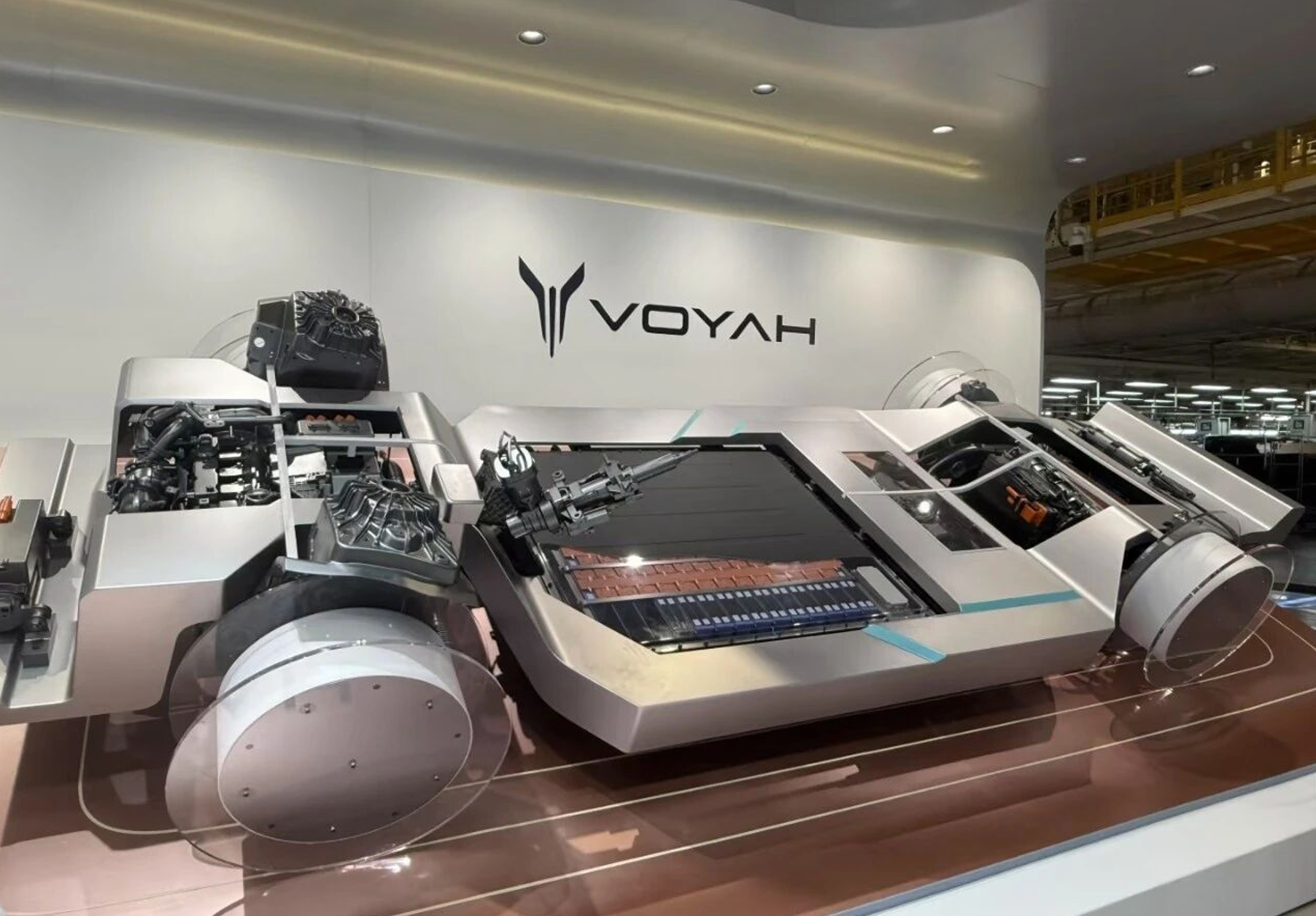
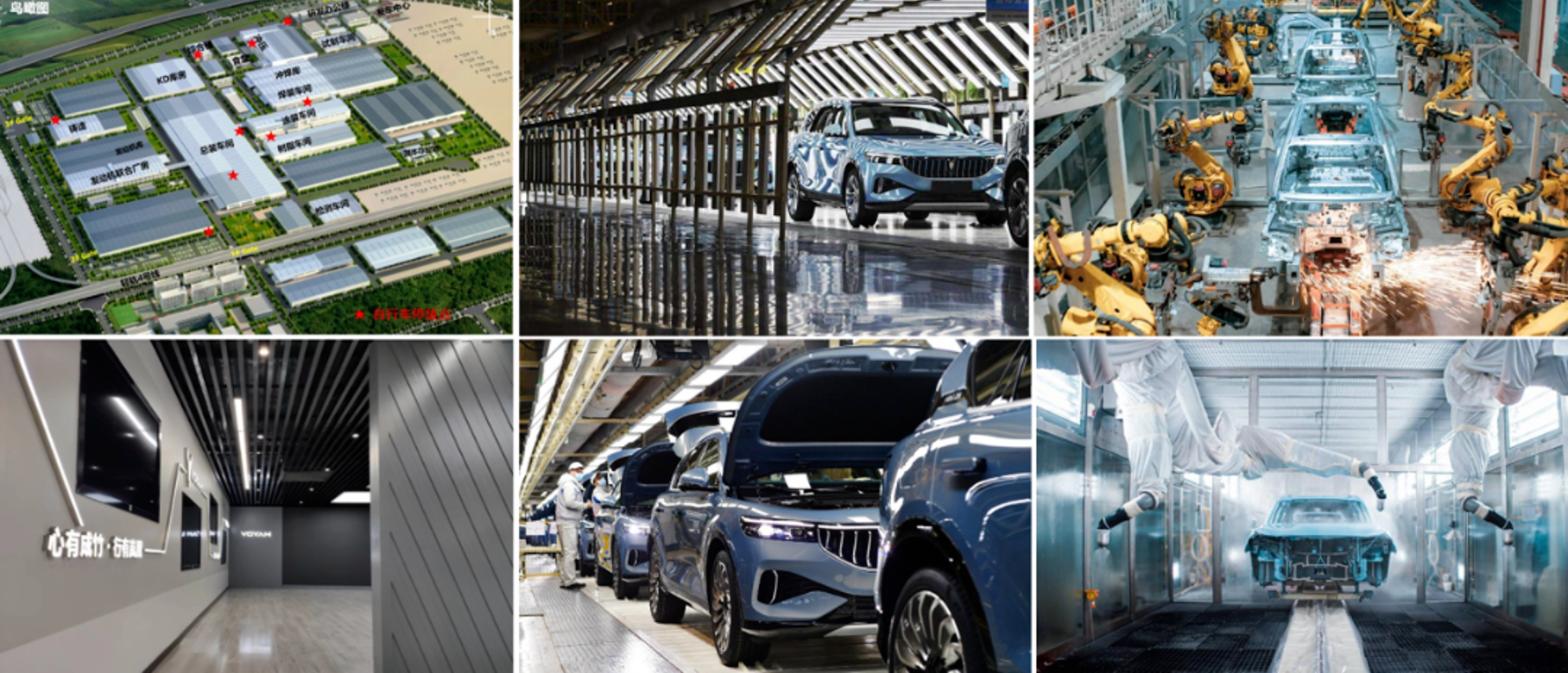
Voyah's Yunfeng plant runs what it describes as China's first car body welding line built entirely from domestic components. Over four months of selection and joint development, the line was localised end to end — from the core programmable logic controller system to the robots, sensors and actuators — reducing cost by 20 to 30 per cent and, on key items including welding guns, robots, turntables and cylinders, achieving failure rates better than the imported equipment it replaced.
The safety controller developed with Inovance, a Chinese industrial automation company, received TÜV certification in Germany — the first safety PLC from China to be certified for the automotive industry, filling a gap in domestic industrial safety control.
Across its two production bases, Voyah's digital factories produce a vehicle on average every 63 seconds, with flexible production configured per order. The company reports a 12 per cent improvement in production efficiency and a 33 per cent reduction in development cycle time from its digital systems.
For a delegation, this is the part of the visit that speaks to supply chain strategy rather than to cars: a Chinese manufacturer deliberately replacing imported factory equipment with domestic equivalents, and certifying the result to German standards.
Overseas
Voyah has entered more than 40 countries and regions, covering Europe, the Middle East and Central Asia. It entered Europe in 2023, and in 2025 it held brand launches in the United Arab Emirates and Qatar, starting sales of the Free and Dreamer in the Gulf.
The company describes its overseas ambition with a target of 500,000 vehicles abroad, and the Hong Kong listing is explicitly part of that: the argument is that a public listing in Hong Kong makes the brand legible to international investors and therefore easier to establish in new markets.
Vehicles have also been used for diplomatic and cultural purposes — as official transport for embassies in China and at events including the Wuhan Open tennis tournament — which is how Chinese premium brands build recognition before they build volume.
Partners, channels and the listing
Voyah was the first Chinese state-owned car brand to adopt direct sales, and by the end of 2025 it operated more than 500 stores nationwide through a combination of company-owned and partner outlets. It runs 23 official owner clubs and a user co-creation committee, which feeds customer proposals into product decisions, and reports more than 300,000 users.
On the supply side, local sourcing has reached 41 per cent and the company works with more than 300 component and supply chain partners. It signed a ten-year deepened cooperation agreement with CATL in December 2025 covering new technology, supply and global market coordination.
On capital, Voyah listed on the main board of the Hong Kong Stock Exchange on 19 March 2026 by way of introduction, becoming the first central state-owned premium new energy vehicle company to list independently in Hong Kong. Chairman Lu Fang has described the listing as opening financing channels and imposing the discipline of public disclosure, with Dongfeng setting overall strategy while the board and management run market and operational decisions.
The company has been named a "Double Hundred Enterprise" by China's state-owned assets regulator for three consecutive years, a designation for reform-pioneering state enterprises.
Sample Visit Agenda
09:00–10:00 Visit to Voyah Automobile Production Line
10:30–11:30 Product Exhibition Hall at Dongfeng Motor Headquarters
12:00–14:00 Lunch / Break
14:00–15:30 Exchange: Dongfeng Motor's Three-Pillar Transformation Practice
15:40–16:50 Exchange: The Three-Pillar Transformation — HR Shared Services Concept and Practical Implementation
Who it suits
The visit suits automotive manufacturers and suppliers, premium brand and retail groups, fleet and mobility operators, investors and analysts, and manufacturing delegations. It is particularly relevant to delegations interested in state enterprise reform, and the company is experienced in receiving professional visitors, including international ones.
Practical notes
- The visit is a business programme. Delegations are received as professional visitors and follow the host's rules.
- Booking requires approval in advance. Foreign participants normally need to be registered with the host ahead of time, and that process is longer than for domestic visitors; allow additional working days for the paperwork.
- Wuhan is in central China with high-speed rail and air connections. Road transfer within the city is included in the programme; we confirm the meeting point in writing after the host approves the booking.
- Provide the participant list, nationalities and professional focus early; the technical depth of the briefing is adjusted to suit.
- Photography rules are confirmed in advance; some areas carry confidentiality requirements. Tell us during planning if you need images for internal reporting.
- Smart casual is appropriate. The programme involves walking through exhibition and technical areas, so flat shoes are advisable.
- English interpretation can be arranged, including specialist preparation on powertrain, battery and intelligent driving terminology. Bilingual materials and an English summary can be prepared on request.
Questions before a Voyah visit in Wuhan
Is the visit open to international business delegations? Yes, subject to advance arrangements and confirmation by the host. Registration of foreign participants takes extra time, so we recommend planning at least 30 days ahead.
What is the group size? Visits are normally arranged for groups of 10 or more. We confirm the practical maximum with the host for your date.
How long does the visit take? The standard programme runs about two hours, covering the exhibition hall, a technology session and a discussion. Longer programmes can include the factory in more depth.
Where is the visit held? At the company's headquarters and exhibition hall in Wuhan. We confirm the meeting point in writing after the host approves the booking.
Do participants need an engineering background? No. The visit can be approached through automotive, brand and retail, investment, manufacturing or public policy, and terminology is handled through interpretation.
Is English interpretation provided? Yes, including preparation on powertrain and battery terminology, and bilingual handouts can be arranged.
How large is the company? Deliveries were 150,169 vehicles in 2025, up 87 per cent, with cumulative production passing 300,000. January 2026 deliveries were 10,515, up 31 per cent.
Is the company profitable? Gross margin reached 20.9 per cent in 2025, up from 14.2 per cent in 2023. The company listed in Hong Kong in March 2026.
What is the flagship product? The Dreamer MPV, roughly half of 2025 volume, the best-selling premium MPV in China for months at a time, with an average transaction price above 400,000 yuan and about 55 per cent of buyers trading up from German premium brands.
What technology is distinctive? The Lanhai 800-volt hybrid system with up to 410 kilometres of electric range, the ESSA multi-powertrain architecture, an L3 programme with 110,000 kilometres of road testing, and China's first fully domestic car body welding line.
How international is it? Present in more than 40 countries and regions across Europe, the Middle East and Central Asia, with Gulf market launches in 2025 and an overseas target of 500,000 vehicles.
What documentation is needed in advance? A participant list with passport details for foreign visitors, submitted to the host for registration, plus the delegation's professional focus. We tell you the lead time for your specific group.
Does the programme always run as described? It is built around the elements above. Facilities and areas opened on the day are subject to what the site opens, and we confirm the final scope in writing during planning, before you commit.
Arrange your Voyah visit
Tell us your dates, group size and what your team wants to understand: how a state-owned group built a premium brand that takes customers from BMW and Mercedes, how an 800-volt hybrid reaches 410 kilometres of electric range, how L3 testing is being run in Wuhan, or what replacing imported factory equipment with domestic equivalents actually involves. China Innovation Visits will coordinate the company reception, discussion priorities, transport and English interpretation.
Contact China Innovation Visits to arrange your Voyah visit in Wuhan.