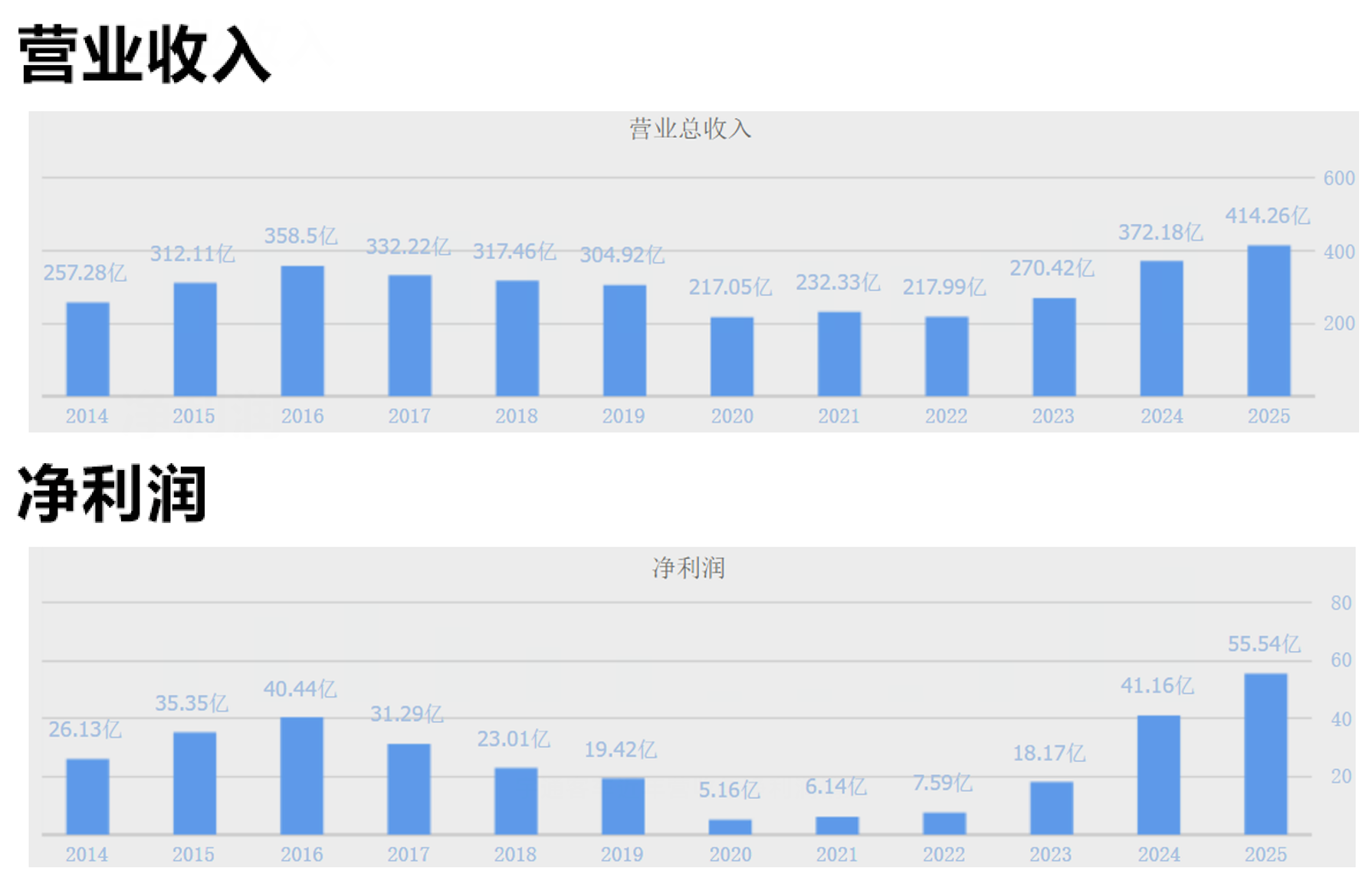
A Yutong(宇通客车) visit in Zhengzhou takes a delegation to the largest bus manufacturer in the world, and to the least discussed part of the Chinese vehicle industry. Yutong Bus has been listed in Shanghai under 600066 since 1997 and is headquartered in Zhengzhou, Henan. It sold 49,518 buses and coaches in 2025, generating revenue of 41.426 billion yuan and profit attributable to shareholders of 5.554 billion yuan, the highest in its history.
The reason to go in 2026 is that the growth engine has moved abroad. Overseas revenue reached 21.108 billion yuan in 2025, up 38.87 per cent, and for the first time exceeded domestic revenue. Exports were 17,149 vehicles, up 22.49 per cent, with cumulative exports past 130,000 buses and past 11,000 new energy buses. Yutong is now a company whose largest market is outside China, which is rare among Chinese vehicle manufacturers of any kind.
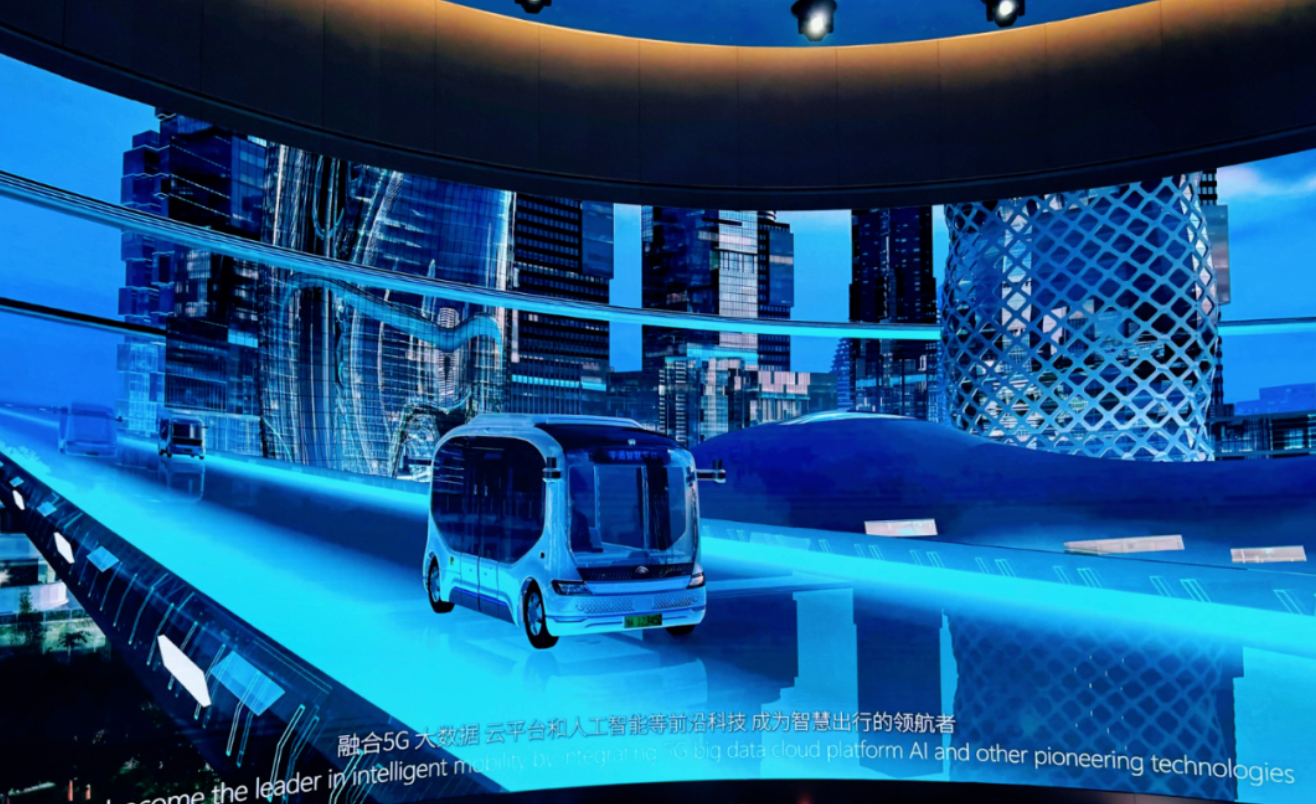
The second reason is that buses are where automated driving actually runs. Yutong's L4 micro-circulation buses and L3 connected buses operate in normal service in 26 Chinese cities including Beijing, Guangzhou and Zhengzhou, and have been sold or demonstrated in Qatar, France and Singapore. Robotaxis get the attention; scheduled driverless bus routes carry the passengers.
China Innovation Visits coordinates the Zhengzhou programme, including the company reception, scheduling, local transport and English interpretation.
Key takeaways
- See the full product range in one place: city buses, coaches, school buses, light commercial vehicles and special-purpose vehicles.
- Understand how a Chinese commercial vehicle company came to earn more abroad than at home — 21.108 billion yuan of overseas revenue in 2025.
- Examine the electrification work that matters in buses: a battery system designed to last as long as the vehicle, and a new electric drive axle.
- Ride or see the automated driving programme: L4 micro-circulation buses in daily service in 26 cities.
- Study the service model — more than 400 authorised overseas service points with an average service radius of 120 kilometres.
- Compare with a BYD visit on the passenger and battery side, or a WeRide overview on the autonomous driving software side.
Why visit Yutong in Zhengzhou?
Buses are a harder business than cars and a more honest one. Volumes are lower, the buyer is usually a city authority or a fleet operator, the product has to survive fifteen years of daily service, and the tender is decided on total cost of ownership rather than on marketing. A company that leads this market globally has solved durability, service and financing problems that passenger car makers never face.
It is also the clearest case of a Chinese manufacturer winning abroad on quality rather than on price. Yutong sells buses in more than sixty countries and regions including the United Kingdom, Norway and the Netherlands — markets with strong domestic or European incumbents, demanding regulations and high expectations for after-sales support. How that was built is the most transferable lesson on the visit.
Zhengzhou is the right setting. The city is one of China's oldest vehicle manufacturing bases and Henan's industrial centre, and Yutong's new energy plant, exhibition hall and test facilities are there. Delegations focused on intelligent transport often pair it with a Baidu Apollo Park visit on the platform side of autonomous driving.
Company background
The largest bus maker, and what that means
Yutong Bus listed in Shanghai in 1997 and is the first listed company in China's bus industry. It is now among the largest bus manufacturers in the world by volume, and the group's activities extend from buses into new energy, automated driving and connected vehicle systems.
Scale in 2025: 49,518 vehicles sold, revenue of 41.426 billion yuan, and profit attributable to shareholders of 5.554 billion yuan, up 34.94 per cent.
What it builds
The range covers city buses, intercity coaches, school buses, light commercial vehicles and special-purpose vehicles. Within that, the company has been pushing in two directions at once: upmarket, with high-end coaches and a premium T7 line, and down into new formats, with a nine-metre zero-rear-overhang low-floor bus and a 5.3-metre on-demand shuttle introduced for Chinese cities in 2025.
For overseas markets the company developed dedicated T-series and U-series high-end coaches, adapted to local regulations and preferences, alongside double-deck buses, front-engine buses and electric commuter models.
The 2025 numbers
Volume, revenue and profit
Vehicle sales were 49,518, up 5.54 per cent. Revenue was 41.426 billion yuan, up 11.31 per cent. Profit attributable to shareholders was 5.554 billion yuan, up 34.94 per cent — a record for the company, and achieved while the domestic coach market was contracting.
Research and development spending was 1.808 billion yuan, about 4.36 per cent of revenue, which is high for a commercial vehicle maker. The money went into connected vehicle systems, driver assistance, new electric light commercial vehicles, high-end coaches for export, and the next generation of battery, motor and control systems.
The dividend record
Yutong is one of the most consistent cash returners in the Chinese market. For 2025 it proposed a distribution of 20 yuan per ten shares, bringing total cash dividends for the year to 5.535 billion yuan — 99.65 per cent of profit attributable to shareholders.
Since listing, the company has distributed dividends 29 times for a cumulative 31.56 billion yuan, more than the 2.91 billion yuan it has raised in the capital markets, a cumulative payout ratio of 81 per cent. For a delegation, that number says something about the discipline of the business that no growth rate does.
Overseas: more than half the business
Where it sells
Overseas revenue was 21.108 billion yuan in 2025, up 38.87 per cent, ahead of domestic revenue. Exports were 17,149 vehicles, up 22.49 per cent, against an industry-wide increase in Chinese medium and large bus exports of 30.73 per cent, with new energy bus exports up 31.95 per cent.
Cumulative exports have passed 130,000 buses of all kinds and 11,000 new energy buses, with volume sales and operation in more than sixty countries and regions including the United Kingdom, Norway and the Netherlands.
Service as a competitive asset
The part most visitors underestimate is service. A bus operator does not buy a vehicle; it buys fifteen years of availability, and it will not buy from a supplier that cannot support it. Yutong has built more than 400 authorised service points overseas, with an average service radius of 120 kilometres, covering all of its target markets, delivered through a mix of company-operated stations, mobile teams, resident engineers, full-service contracts and third-party authorised stations.
That network is the reason the export business can grow. It is also the part that took longest to build, and the discussion session is the best place to ask how it was financed and staffed.
Electrification
Yutong has been electrifying buses longer than almost anyone, and the engineering now shows up in details rather than headlines. In 2025 it completed work on coordinated control of chassis braking, drive and steering, and on high-energy-density long-life battery systems, high-efficiency high-density motor systems and high-safety electronic control systems.
Two results are worth asking about. The battery system is described as the first in the bus industry to achieve "battery life equal to vehicle life", with lower degradation, better state-of-charge accuracy and more stable charge and discharge behaviour. And the new generation electric drive axle reduces weight by more than 10 per cent and cuts vehicle energy consumption by 3 to 5 per cent, while solving the adaptability, efficiency and integration problems of earlier designs.
The company's Ruikong E+ intelligent electric integration platform underpins a full range of six to twelve metre new energy coaches. In 2025, new energy bus sales were 5,549 units, up 7 per cent, against an industry average of 1.6 per cent.
Automated driving: L4 in daily service
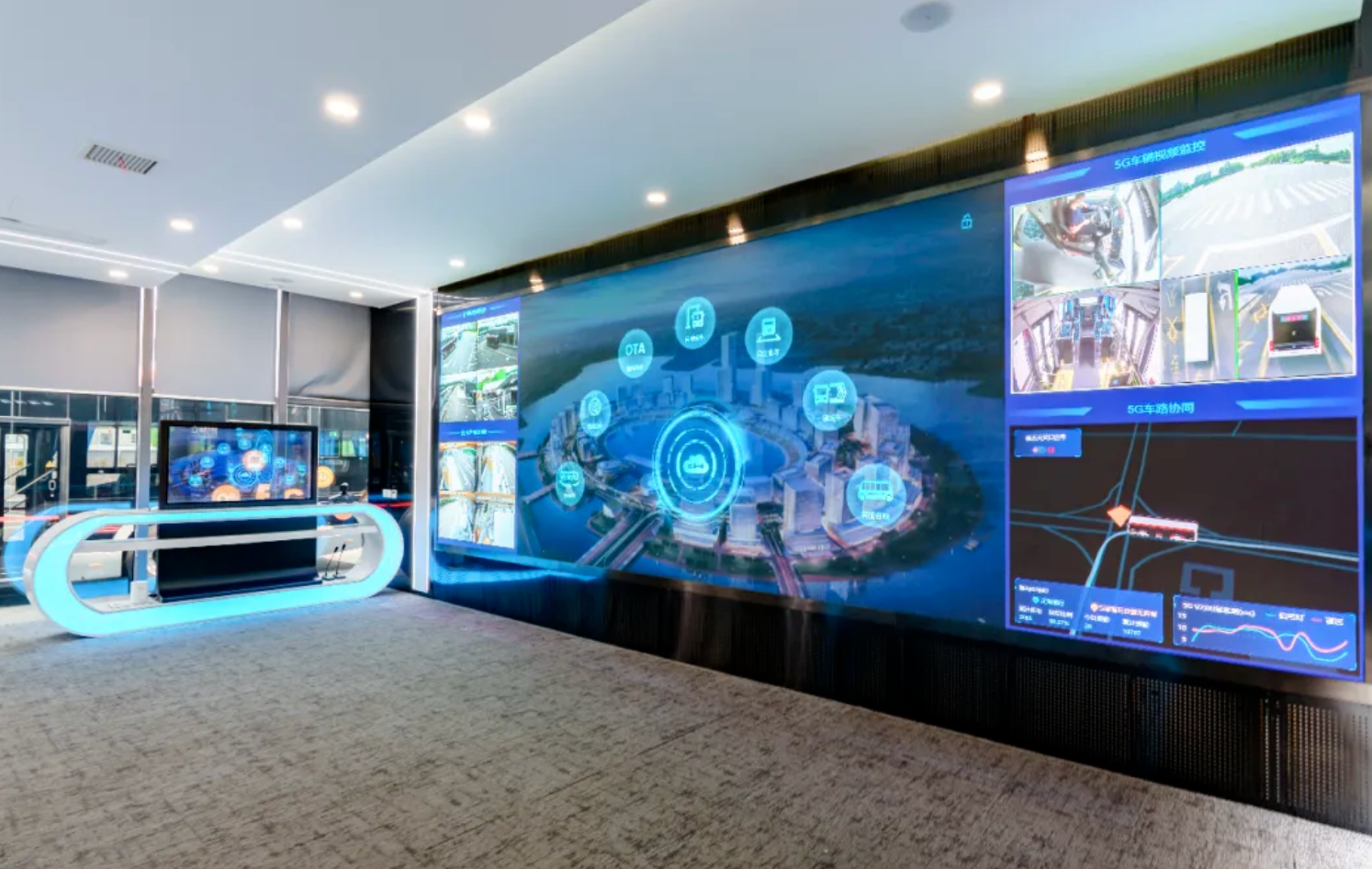
Yutong's L4 micro-circulation buses and L3 connected buses run in normal service in 26 Chinese cities including Beijing, Guangzhou and Zhengzhou, covering public transport routes, airport shuttles and park commuter services. The same products have been sold or demonstrated in Qatar, France and Singapore.
The company completed the design freeze on its second-generation L3 automated driving functions in 2025 and began small-batch deployment. Its connected driver assistance systems cover driving safety, parking safety, blind spot safety and emergency scenarios, which is where bus operators see accidents and insurance cost.
For a delegation, this is the most concrete automated driving case available in China: not a demonstration fleet, but scheduled service carrying passengers, in a vehicle category where safety cases are auditable.
Research and development
Beyond electrification and automation, the company's stated strategy is built on four directions — electrification, connectivity and intelligence, premium positioning, and internationalisation — delivered through a commercial model it calls direct sales, direct service and direct financing.
The direct model matters more in buses than in cars. Fleet buyers want financing, maintenance contracts and training from the same party that sells the vehicle, and owning all three is how a manufacturer defends margin against local assemblers.
For 2026 the company expects both industry demand and its own sales and revenue to grow, with continued growth in overseas markets, and it has said it will concentrate on two trends in particular: safety intelligence in city buses, and premiumisation in coaching.
What a visit covers
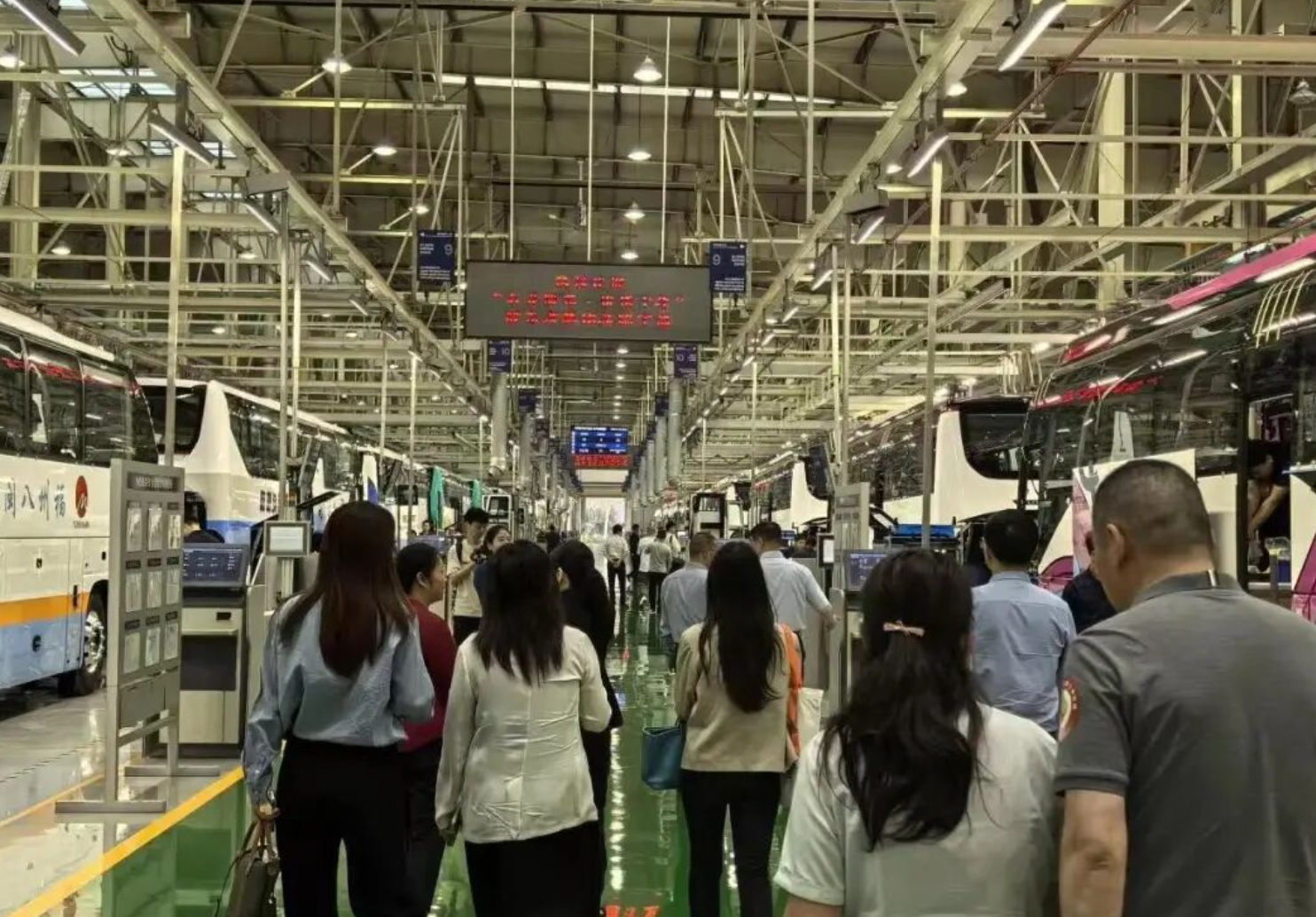
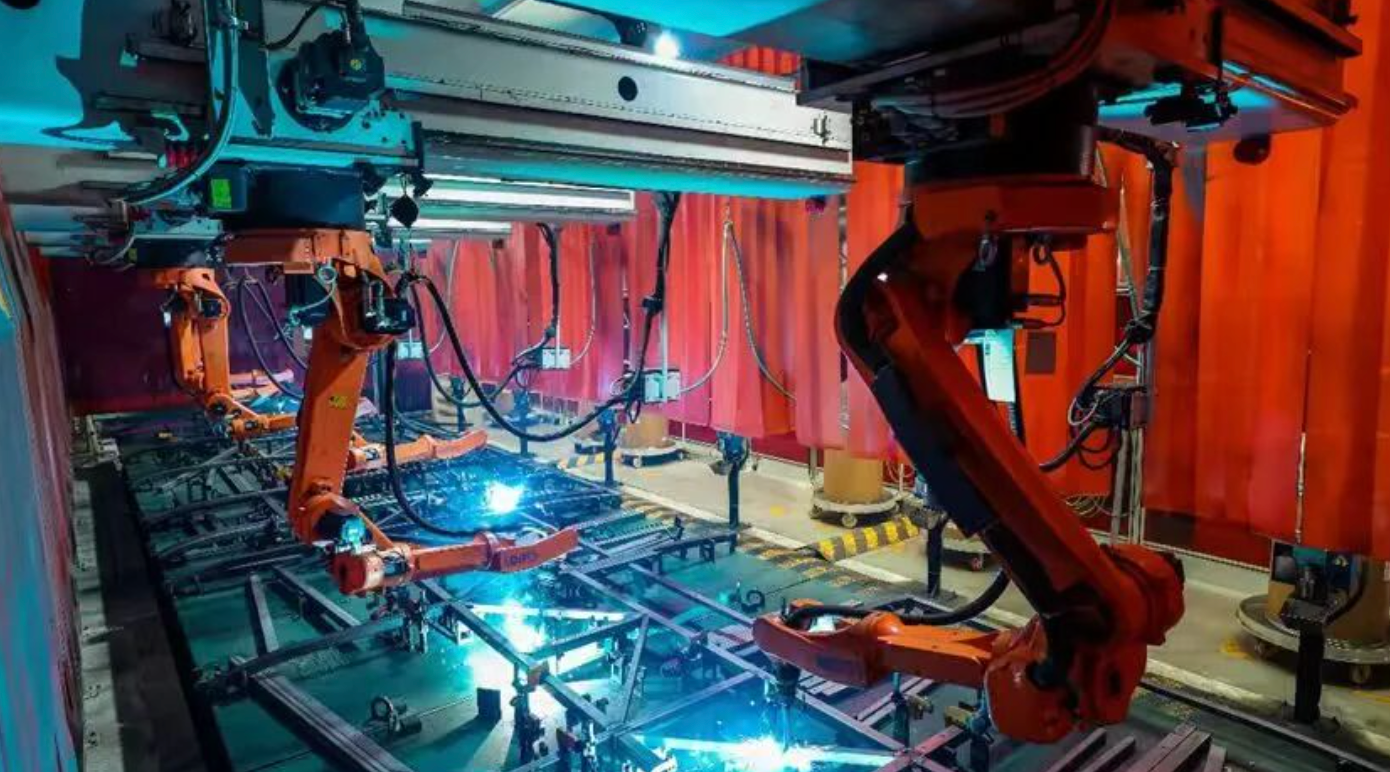
09:30–10:30 Visit to Yutong's Workshops in Zhengzhou: Parts Manufacturing Workshop, Welding Workshop, and Cathodic Electrophoresis Workshop
10:30–11:30 Guided Tour of the Technology Exhibition Hall
11:30–13:30 Lunch and Rest
13:30–16:00 Thematic Sharing and Exchange: The Transformation Code from Manufacturing to Intelligent Manufacturing
The programme is adapted to what the delegation wants to understand, and the final scope is confirmed in writing during planning, before you commit.
Who it suits
The visit suits commercial vehicle and component manufacturers, public transport operators and city authorities, fleet and mobility companies, investors and analysts, and manufacturing delegations. It is also used by university groups working on industrial management, and the company is experienced in receiving professional visitors, including international ones.
Practical notes
- The visit is a business programme. Delegations are received as professional visitors and follow the host's rules.
- Booking requires approval in advance. Foreign participants normally need to be registered with the host ahead of time, and that process is longer than for domestic visitors; allow additional working days for the paperwork.
- Zhengzhou is in Henan province in central China, with high-speed rail and air connections. Road transfer within the city is included in the programme; we confirm the meeting point in writing after the host approves the booking.
- Provide the participant list, nationalities and professional focus early; the technical depth of the briefing is adjusted to suit.
- Photography rules are confirmed in advance; some areas carry confidentiality requirements. Tell us during planning if you need images for internal reporting.
- Smart casual is appropriate. The programme involves walking through exhibition and technical areas, so flat shoes are advisable.
- English interpretation can be arranged, including specialist preparation on commercial vehicle, electrification and automated driving terminology. Bilingual materials and an English summary can be prepared on request.
Questions before a Yutong visit in Zhengzhou
Is the visit open to international business delegations? Yes, subject to advance arrangements and confirmation by the host. Registration of foreign participants takes extra time, so we recommend planning at least 30 days ahead.
What is the group size? Visits are normally arranged for groups of 10 or more. We confirm the practical maximum with the host for your date.
How long does the visit take? The standard programme runs about half a day, covering the exhibition hall and technology displays, a technical briefing and a discussion.
Where is the visit held? At the company's site in Zhengzhou, Henan. We confirm the meeting point in writing after the host approves the booking.
Do participants need an engineering background? No. The visit can be approached through commercial vehicles, public transport operations, fleet management, investment or manufacturing, and terminology is handled through interpretation.
Is English interpretation provided? Yes, including preparation on commercial vehicle and electrification terminology, and bilingual handouts can be arranged.
How large is the company? Sales were 49,518 vehicles in 2025, up 5.54 per cent, with revenue of 41.426 billion yuan and profit attributable to shareholders of 5.554 billion yuan, up 34.94 per cent.
How much of the business is overseas? Overseas revenue was 21.108 billion yuan in 2025, up 38.87 per cent, ahead of domestic revenue. Exports were 17,149 vehicles, up 22.49 per cent.
How many countries does it sell in? More than sixty countries and regions, including the United Kingdom, Norway and the Netherlands, with more than 400 authorised overseas service points at an average service radius of 120 kilometres.
What is happening on automated driving? L4 micro-circulation buses and L3 connected buses run in normal service in 26 Chinese cities, and have been sold or demonstrated in Qatar, France and Singapore.
Does the company pay dividends? Yes, consistently. The 2025 distribution brings total cash dividends for the year to 5.535 billion yuan, about 99.65 per cent of attributable profit, and cumulative dividends since listing exceed cumulative capital raised.
What documentation is needed in advance? A participant list with passport details for foreign visitors, submitted to the host for registration, plus the delegation's professional focus. We tell you the lead time for your specific group.
Does the programme always run as described? It is built around the elements above. Facilities and areas opened on the day are subject to what the site opens, and we confirm the final scope in writing during planning, before you commit.
Arrange your Yutong visit
Tell us your dates, group size and what your team wants to understand: how a Chinese commercial vehicle company came to earn more abroad than at home, how export service networks are built market by market, what "battery life equal to vehicle life" means in engineering terms, or how L4 buses reach scheduled service. China Innovation Visits will coordinate the company reception, discussion priorities, transport and English interpretation.
Contact China Innovation Visits to arrange your Yutong visit in Zhengzhou.